
STORY
Discover the rich cultural heritage of the Sarıkeçili Yörüks, one of the last nomadic Turkish communities of Anatolia. Learn about their origins, transhumance lifestyle, and cultural traditions.
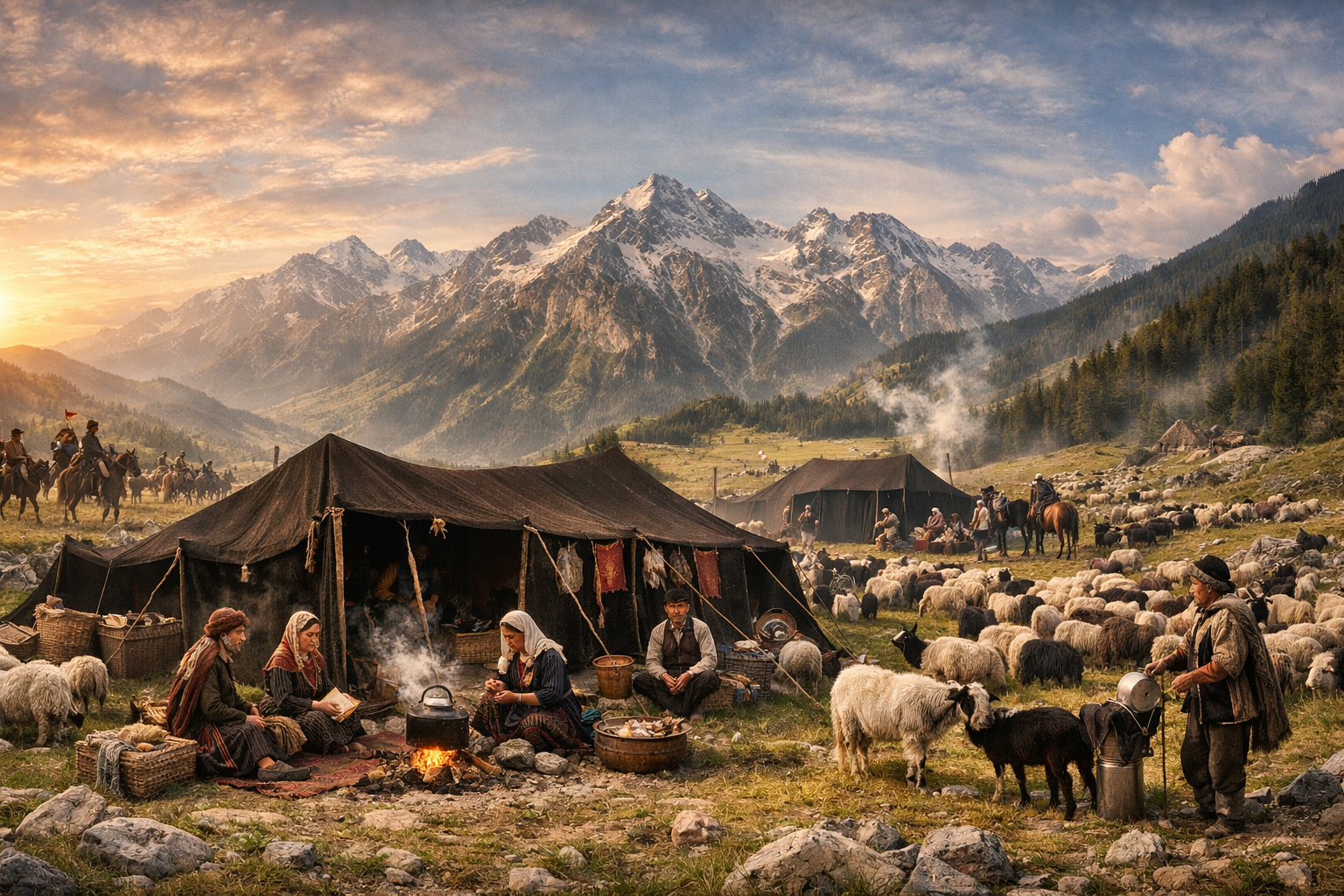
Origins
Origins The Sarıkeçili Yörüks belong to the Bozok branch of the Oghuz Turks and are among the last nomadic Turkish communities in Anatolia. Their origins trace back to the Turkic migrations from Central Asia, and since the Seljuk and Ottoman periods, they have lived primarily in the Taurus Mountains and the Mediterranean region.
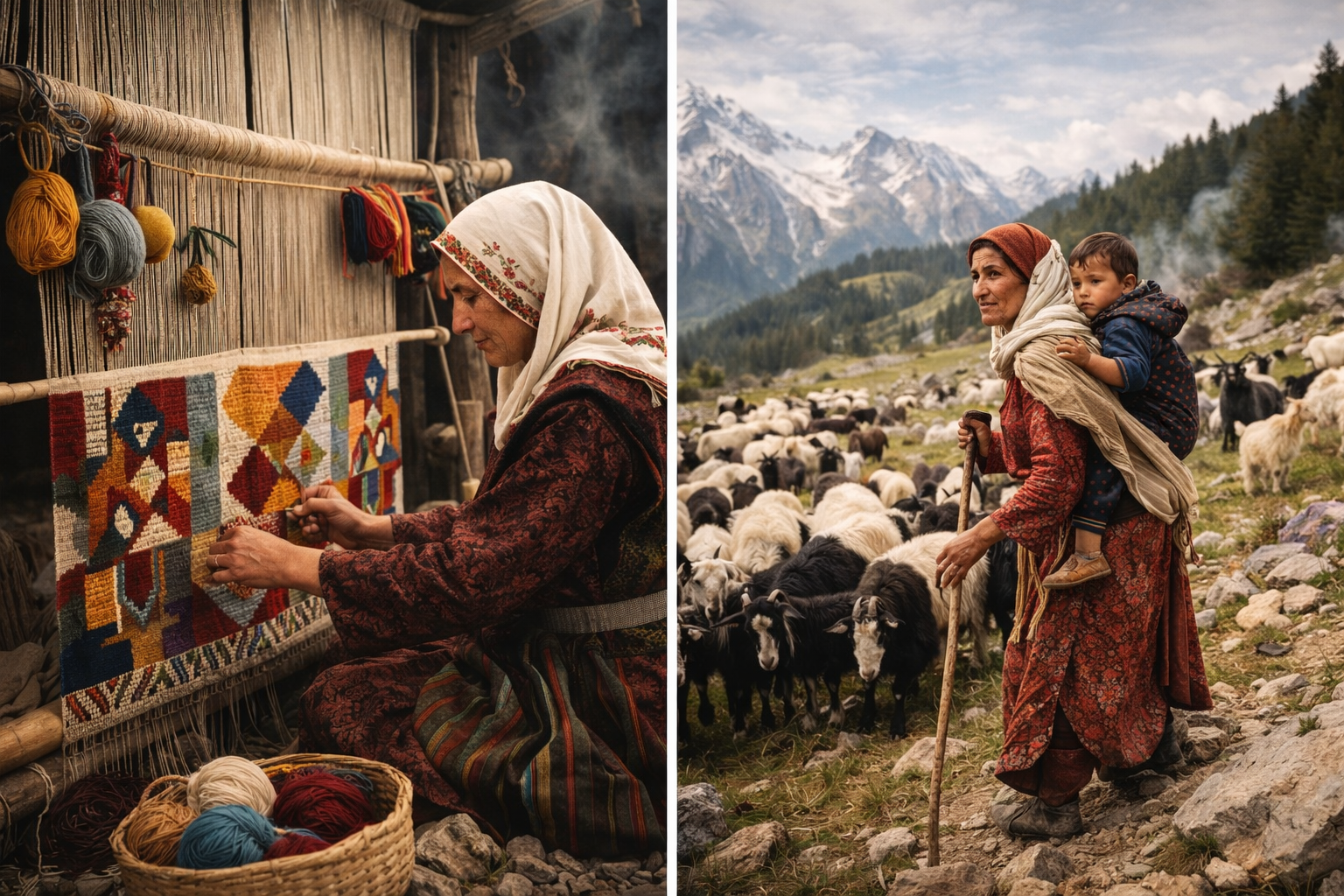
Way of Life
Today, the Sarıkeçili Yörüks continue their traditional nomadic transhumance system, spending winters along the Mediterranean coast and summers in the highlands of the Taurus Mountains and Central Anatolia. Their way of life is based on goat herding, living in black tents, and the production of traditional handicrafts.
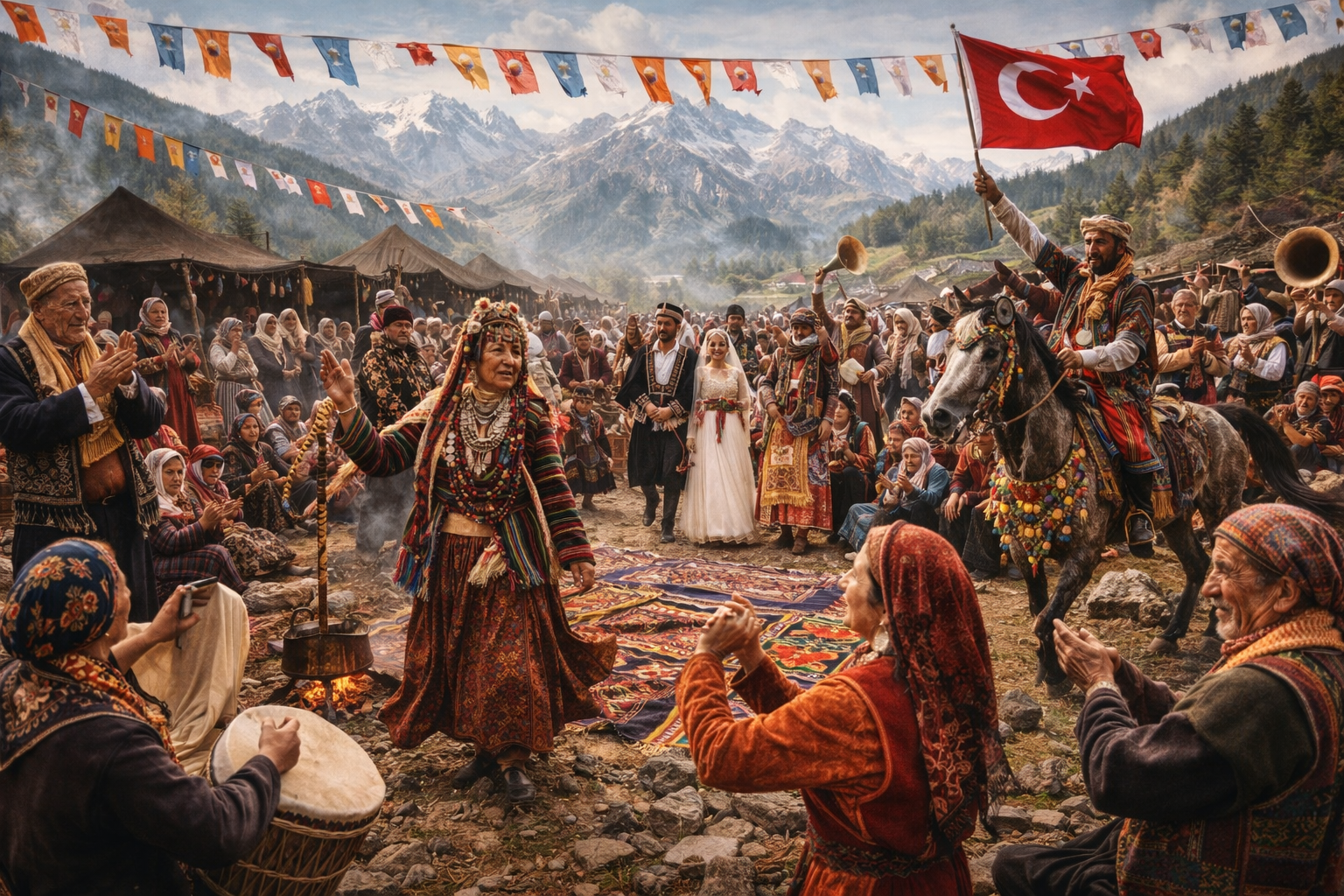
Cultural Heritage
Sarıkeçili Yörük culture is characterized by a sustainable relationship with nature, strong kinship ties, and a rich oral tradition. This website has been created to document, preserve, and promote the cultural heritage of a nomadic way of life that is facing the risk of disappearance.
ARCHIVES
This website is part of a comprehensive archival initiative aimed at making publicly accessible a body of documents, records, and materials accumulated over approximately fifty years.
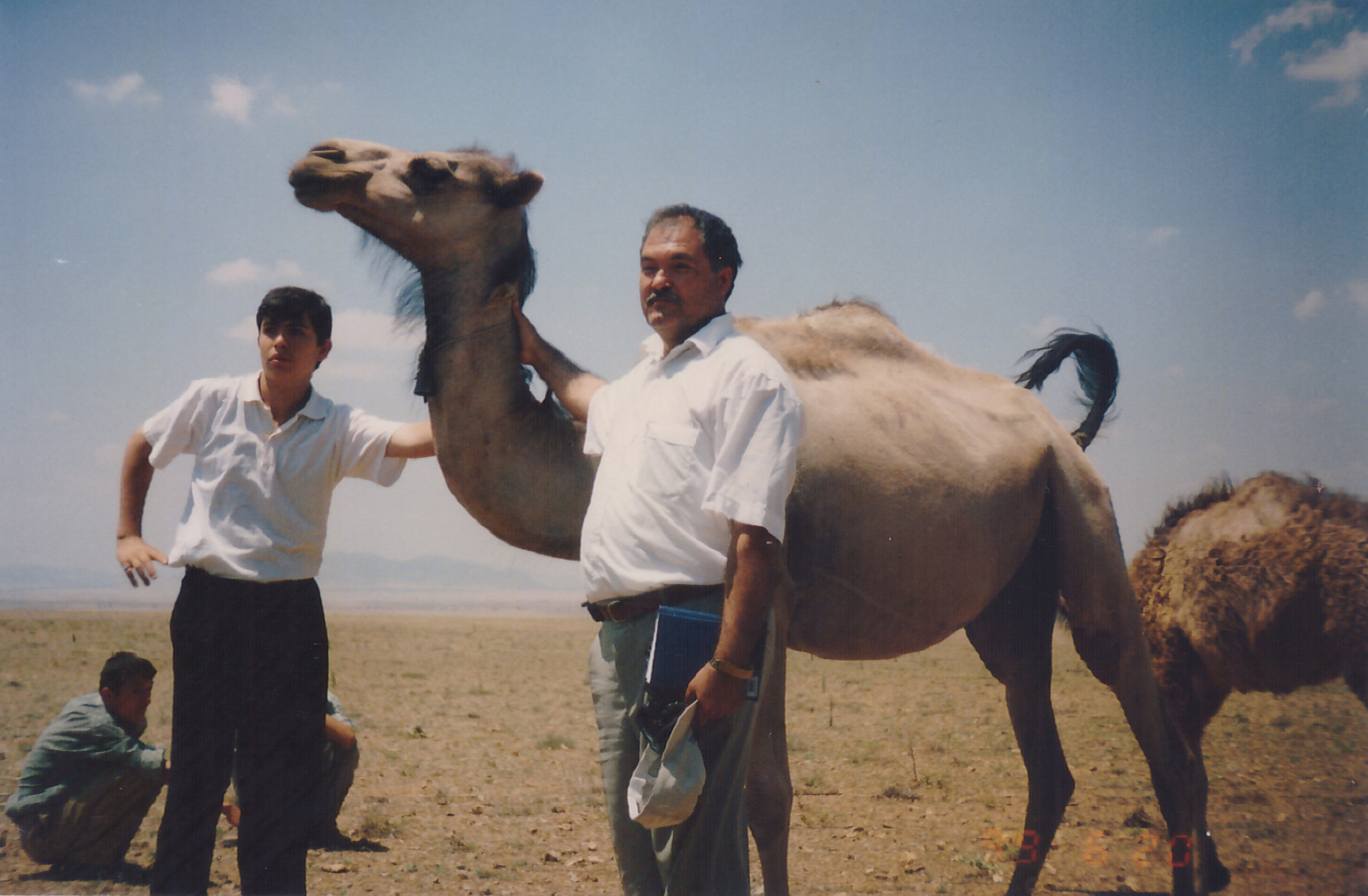
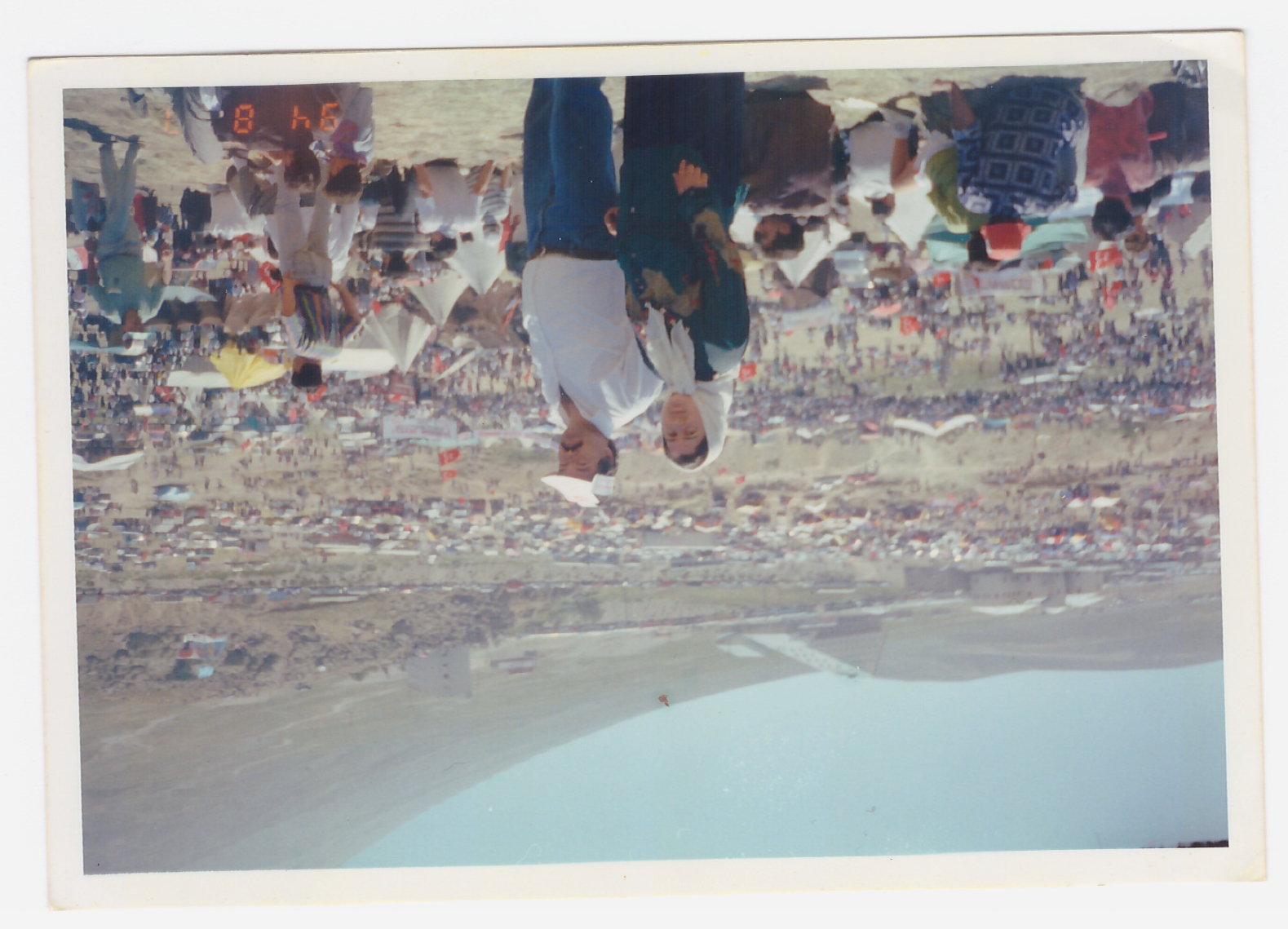
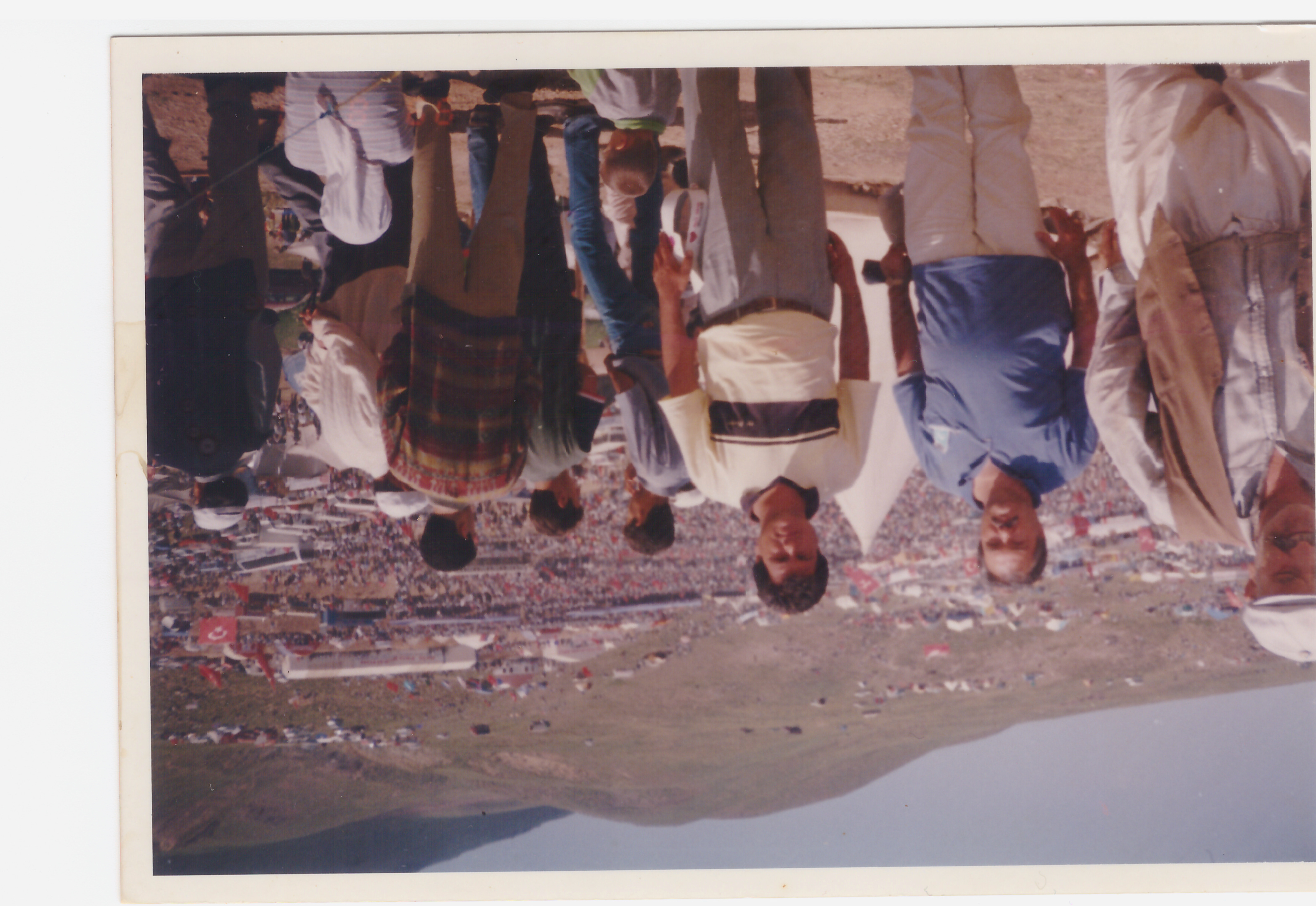
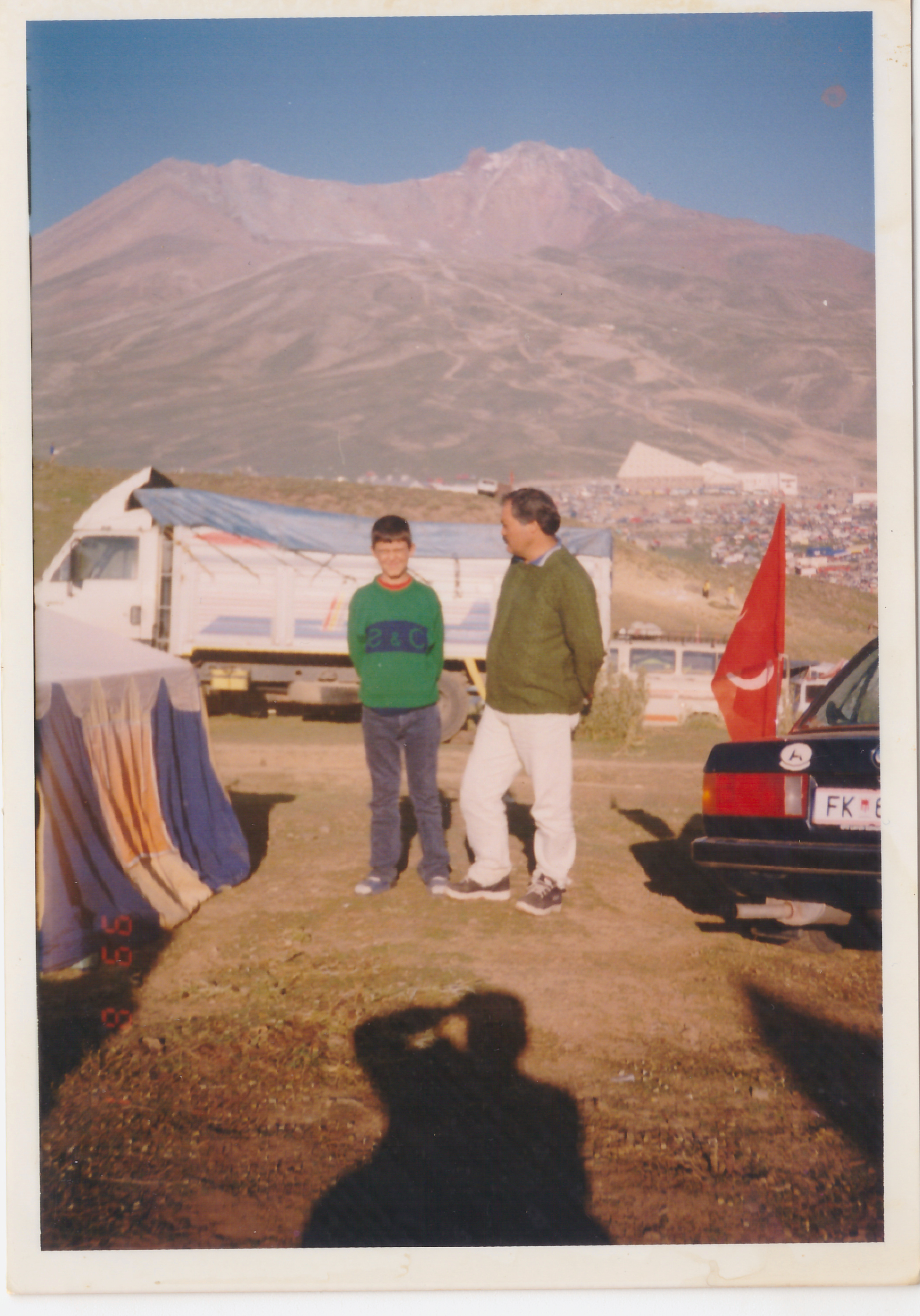
Konya Yörük (Turkish Nomad) Festival, 1999
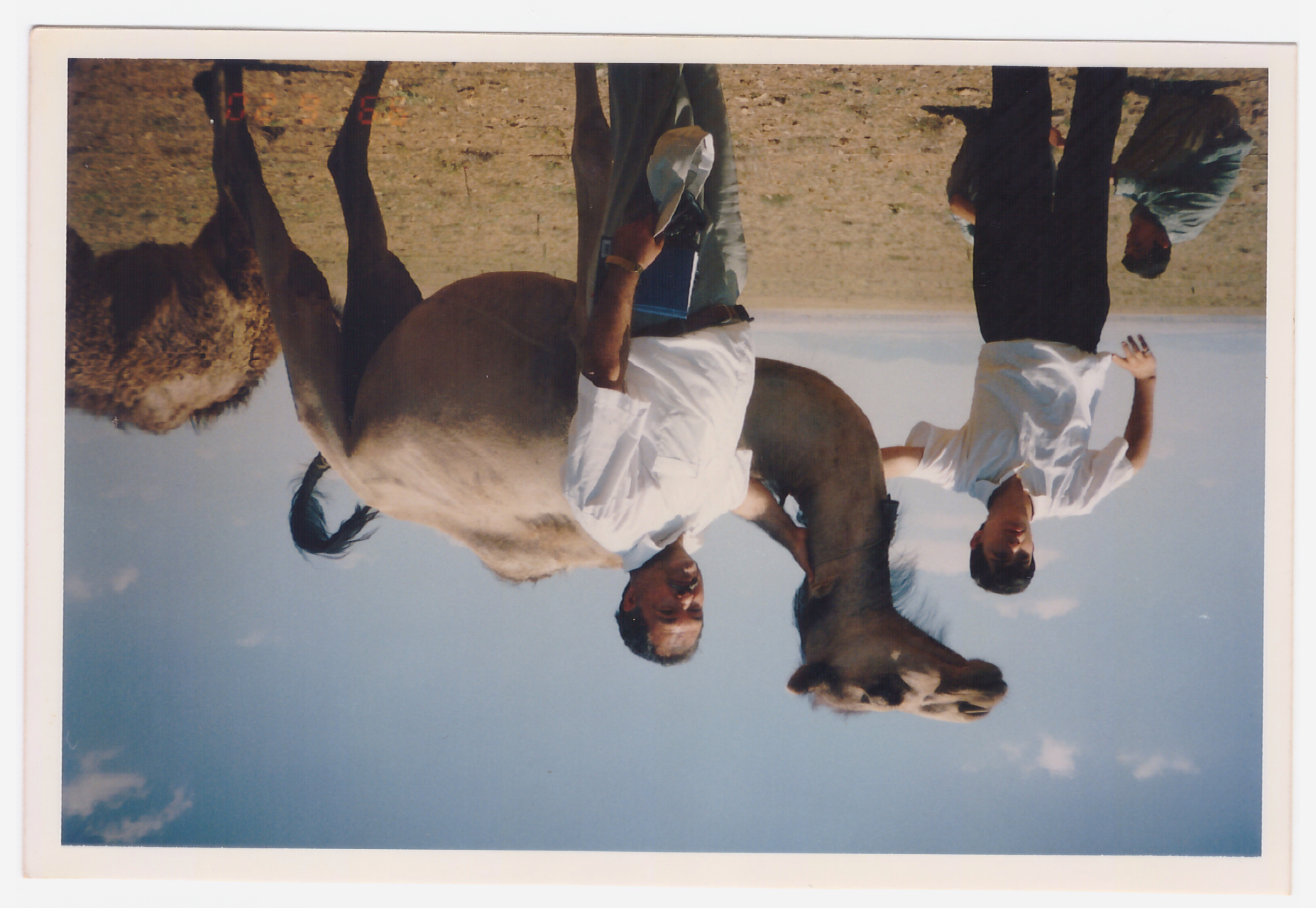
In the past, camels played an important role in carrying loads. Today, camels have almost disappeared. In nomadic life, horses, mules, and donkeys are now preferred much more
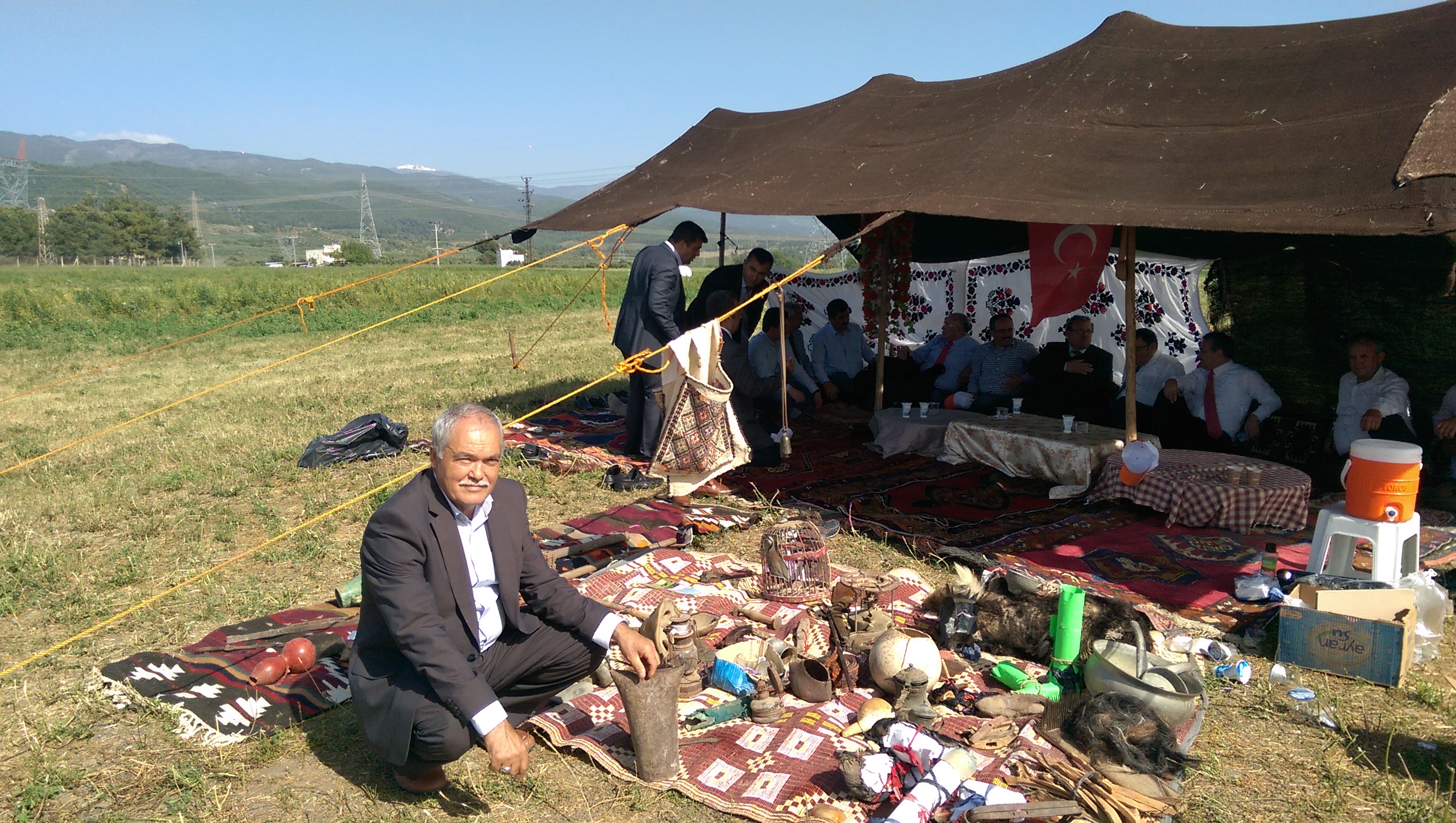
Hatay Erzin Yörük Nomads Meeting – 2015
In Yörük culture, the most important dwelling is the kıl çadır (black tent). Among the Sarıkeçili Yörüks, the tent is traditionally supported by five poles. It stays cool during the summer months and also provides good protection against rain. In their daily life, Yörüks have produced many distinctive items of their own, including shelters, woven textiles, and tools used in animal husbandry
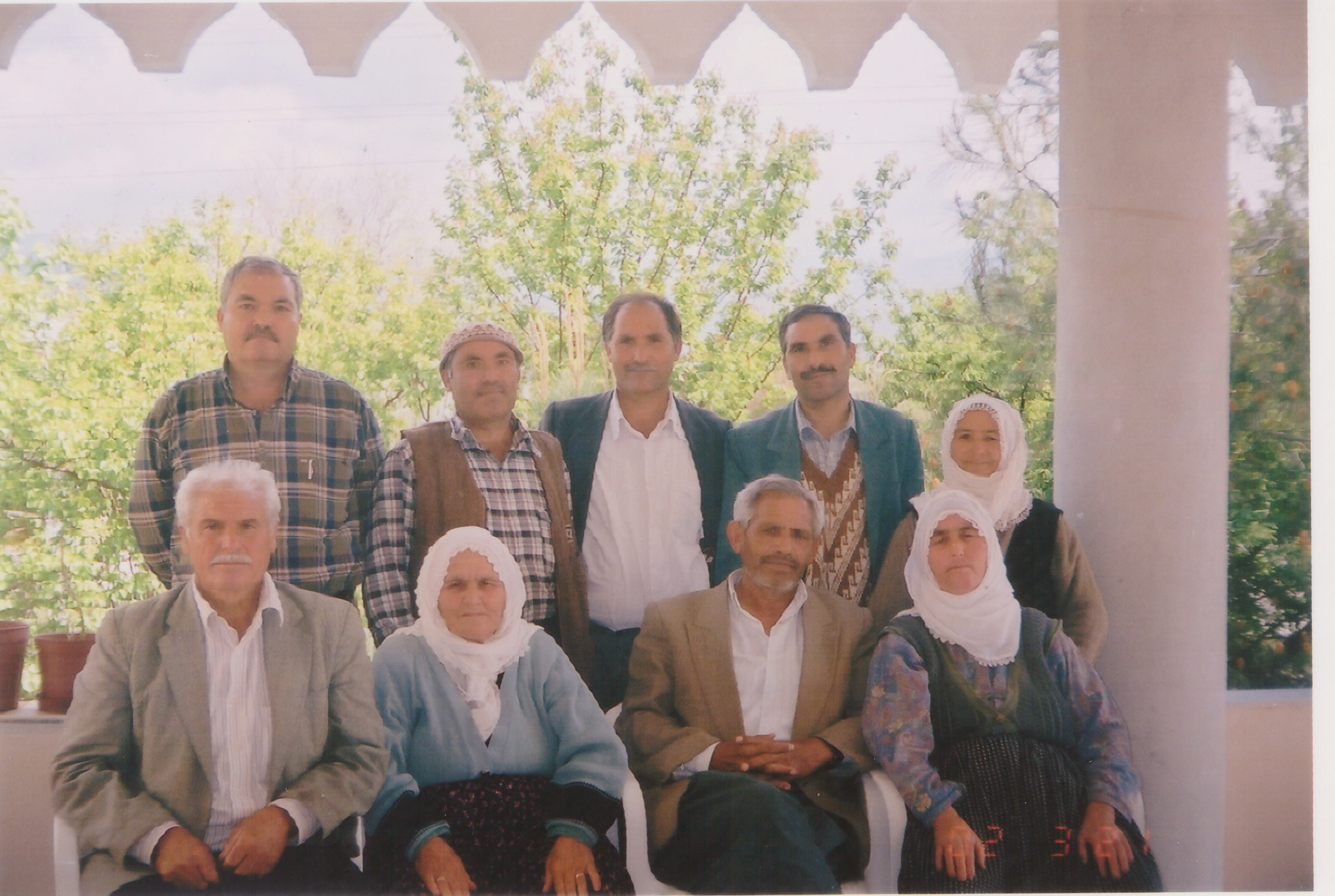
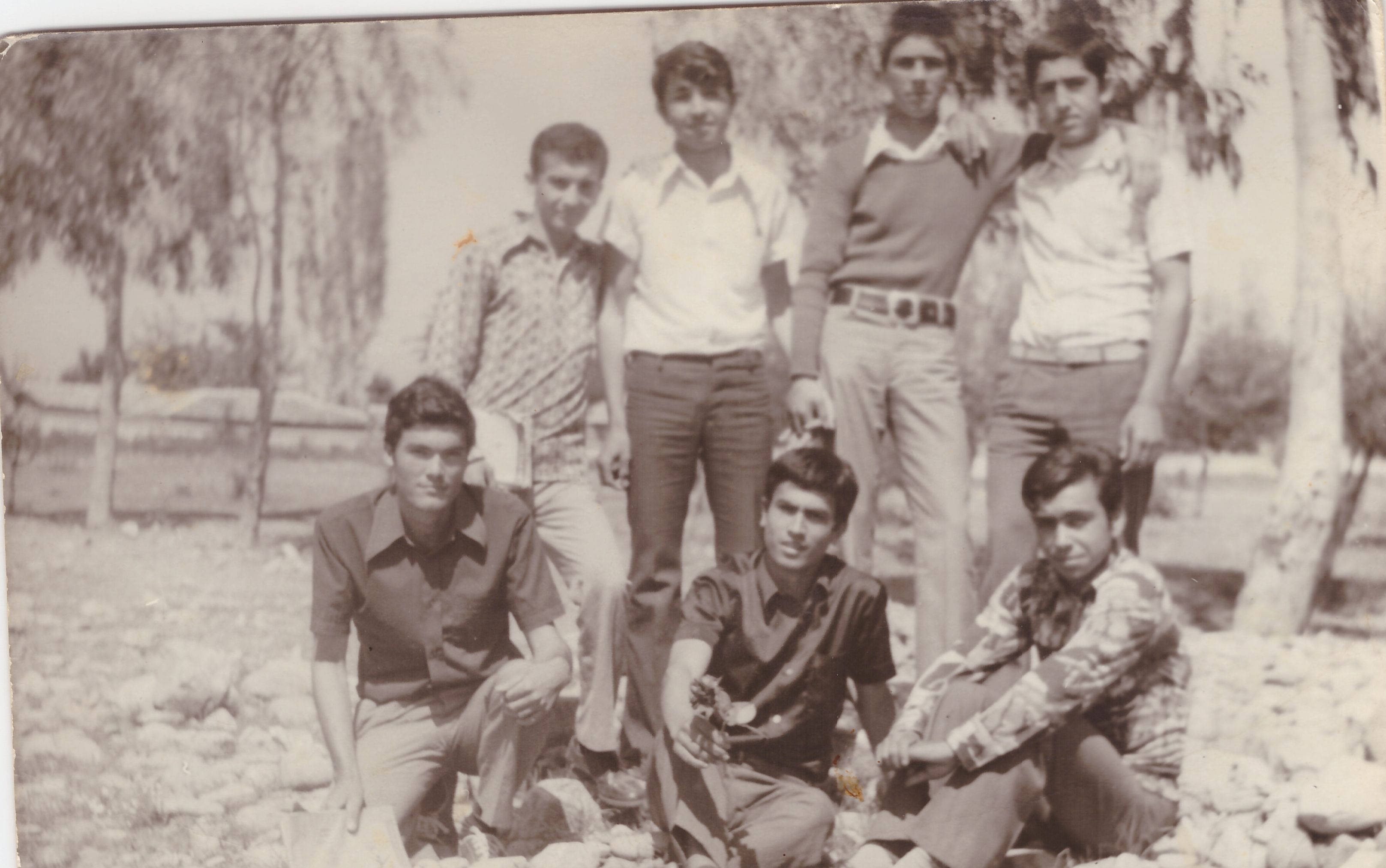
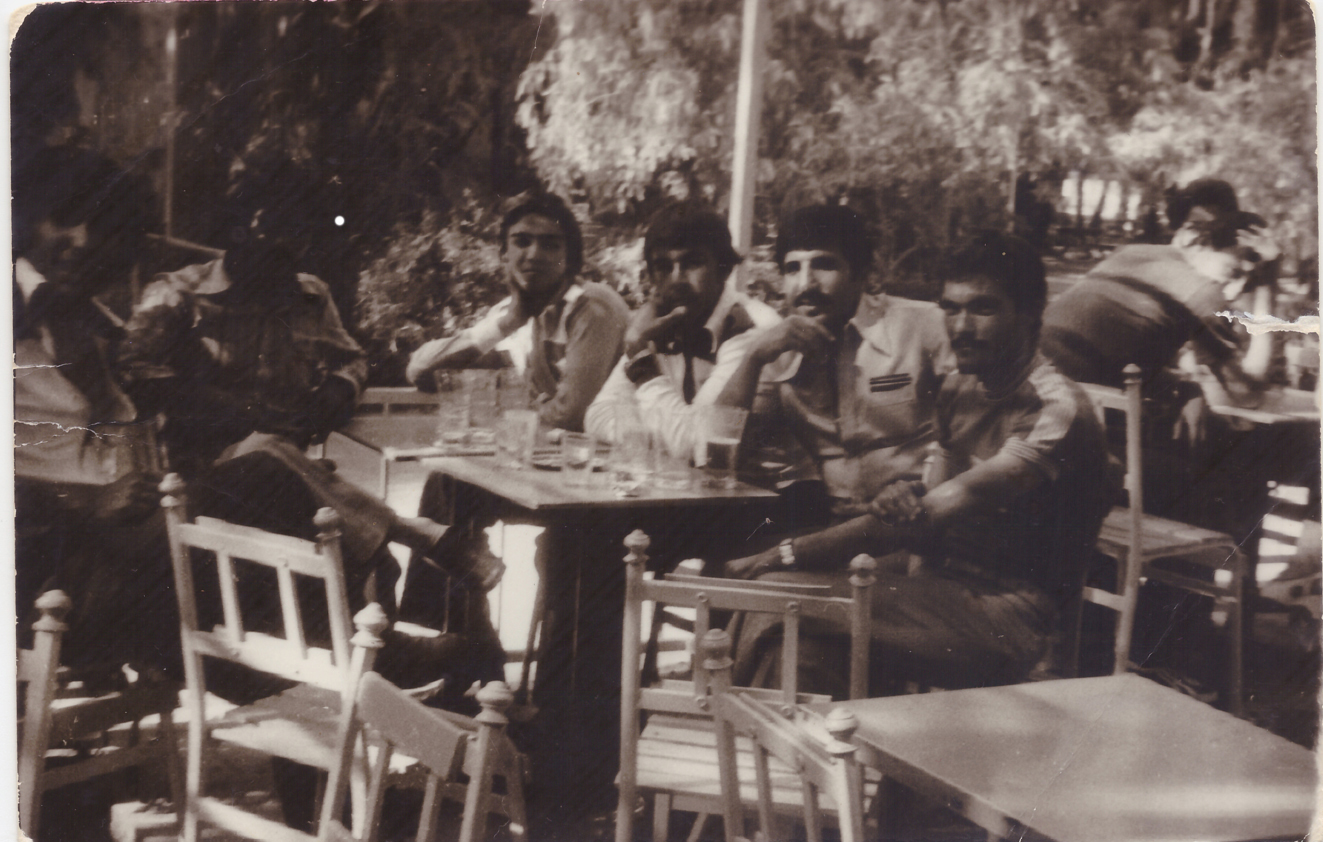
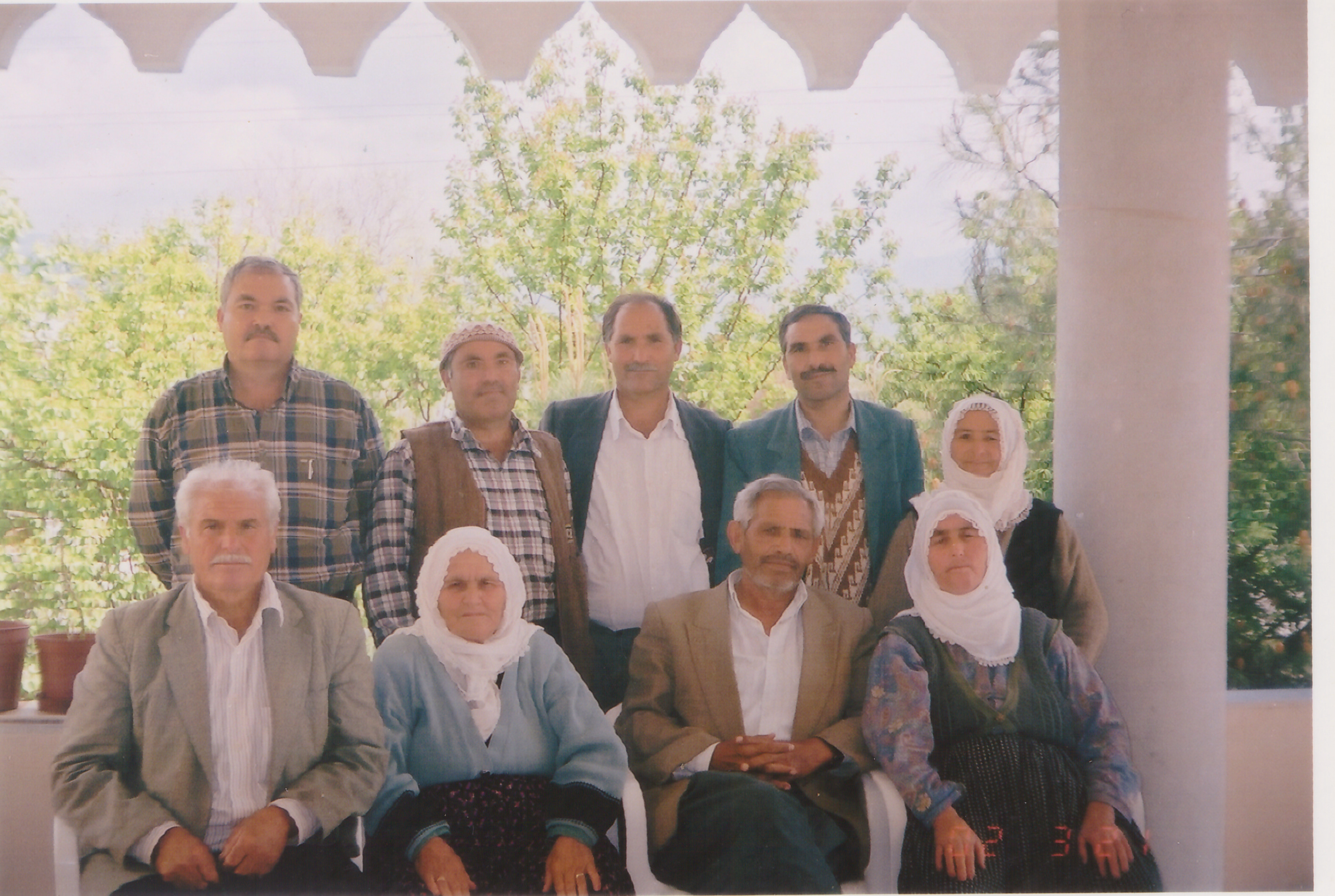
Hacı Ali Şenküçük and His Brothers and Sisters
As time quietly flows, some of them have left us. The six people in this photograph are no longer with us. Create memories with your loved ones; time passes much faster than we think
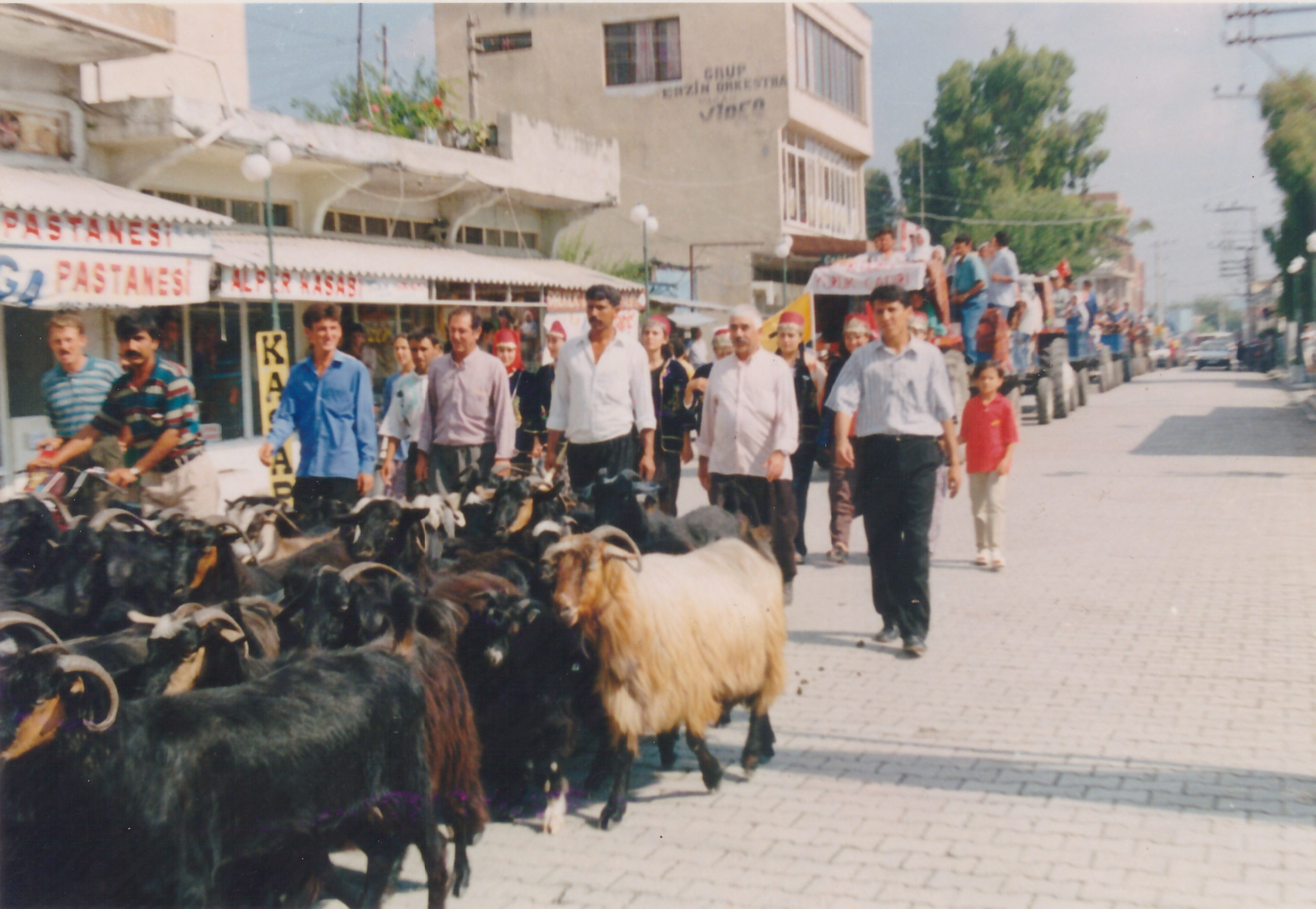
The first Yörük–Türkmen procession organized in the district of Erzin, Hatay
Held in the late 1990s, the first Yörük–Türkmen Festival in Erzin, Hatay, marked an important moment in the region’s history. As the first festival of its kind, it clearly reflected the excitement and pride of thousands of Yörüks
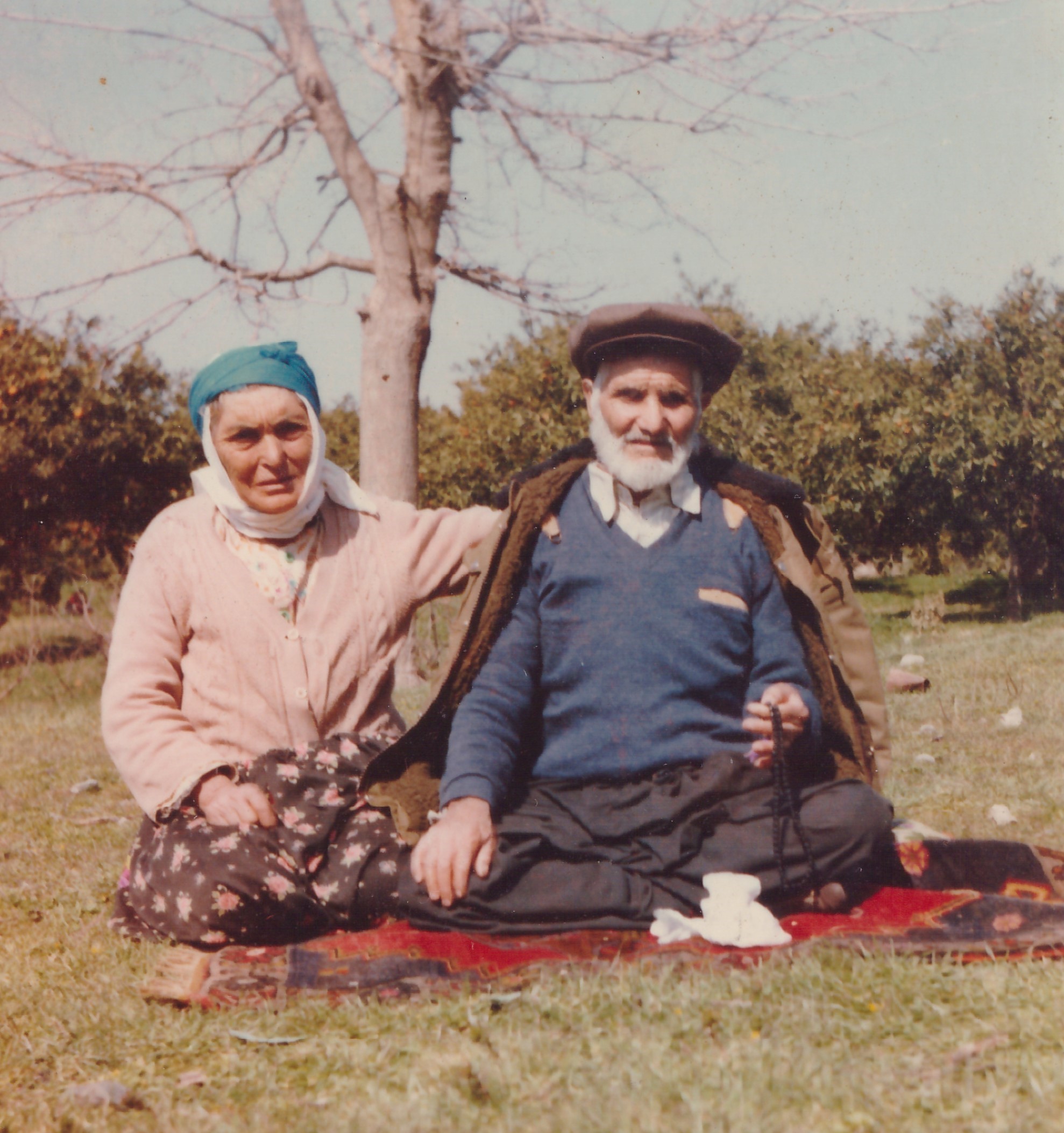
His Mother and Father
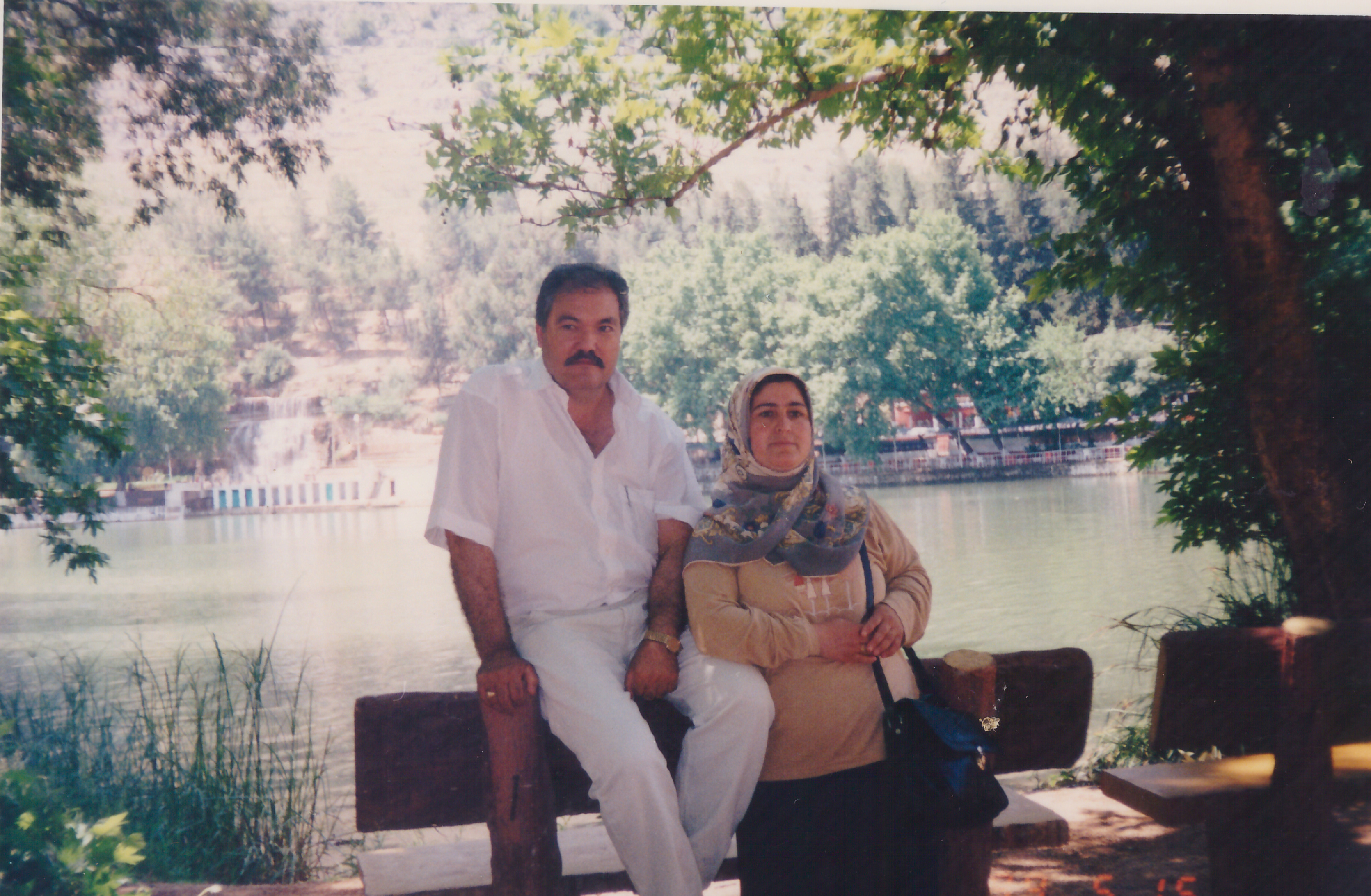
Until 1963, they maintained a completely nomadic way of life, spending many summers over the years in the Taurus and Amanos Mountains. They were part of a long migration that began in Korkuteli, Antalya. Over time, their relatives settled in dozens of cities across Turkey, while they themselves continued their lives in Erzin, Hatay. Ayşe Şenküçük and Hasan Şenküçük.
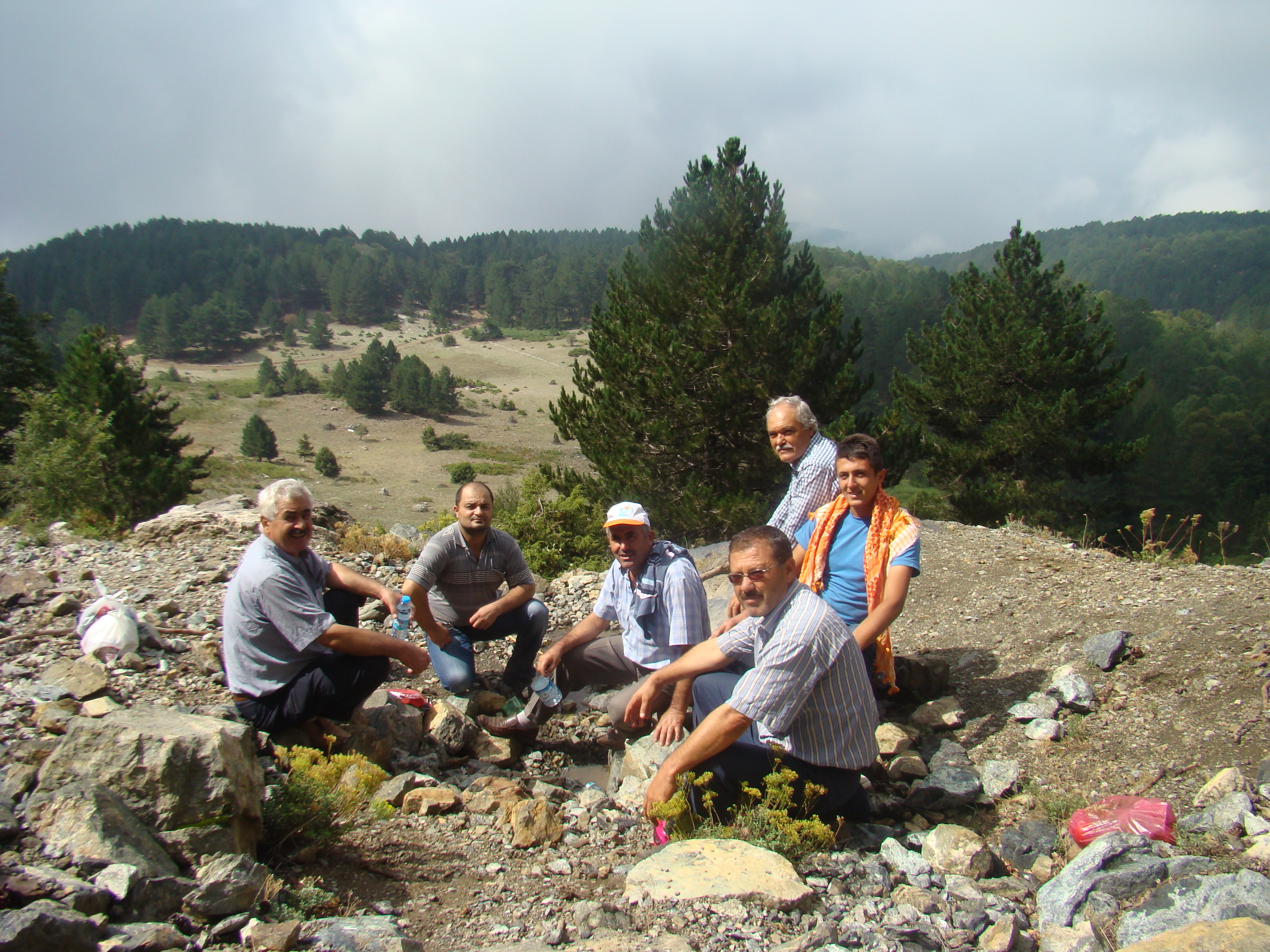
In Loving Memory
A collection of precious memories shared with my beloved father
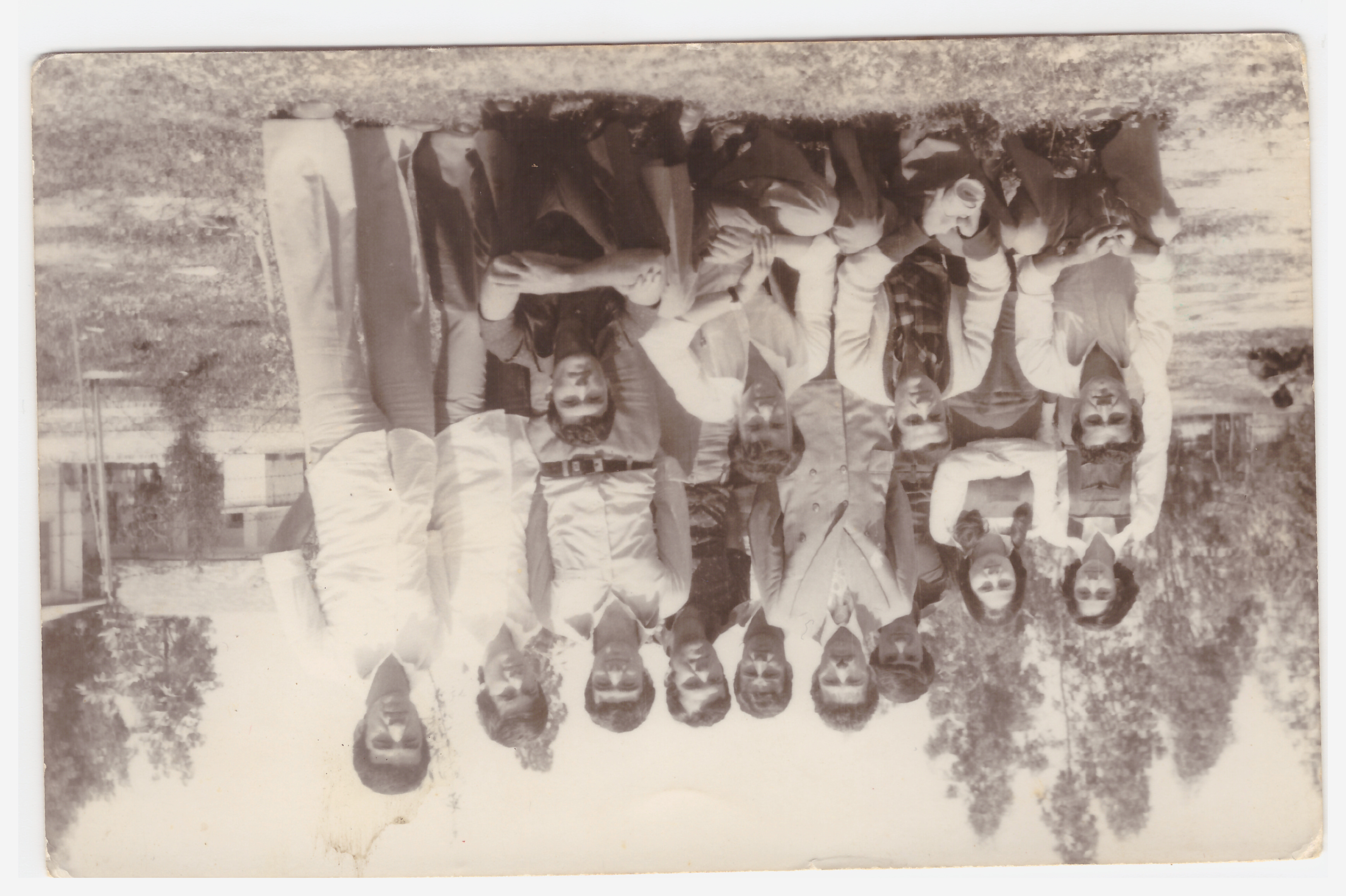
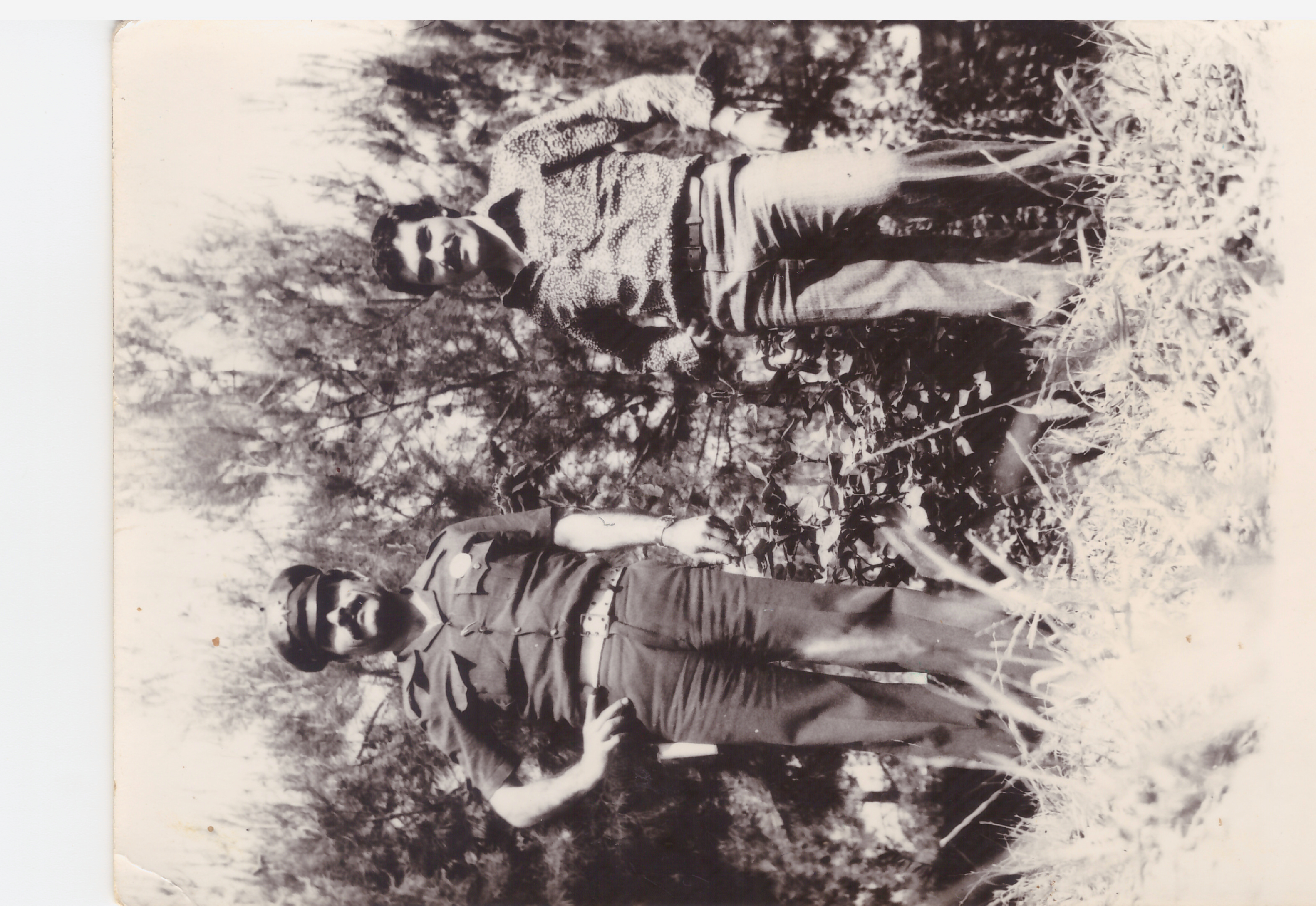
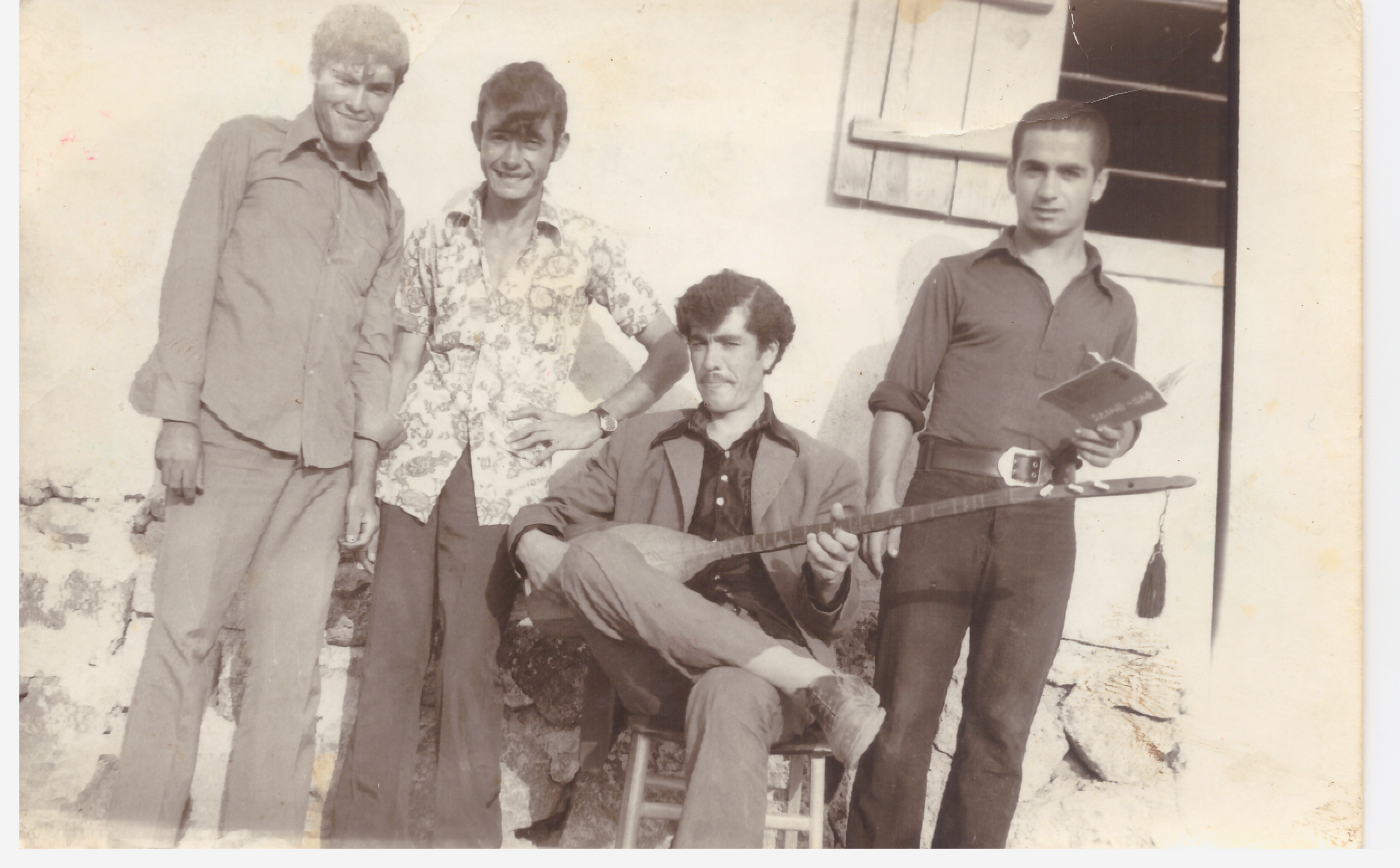
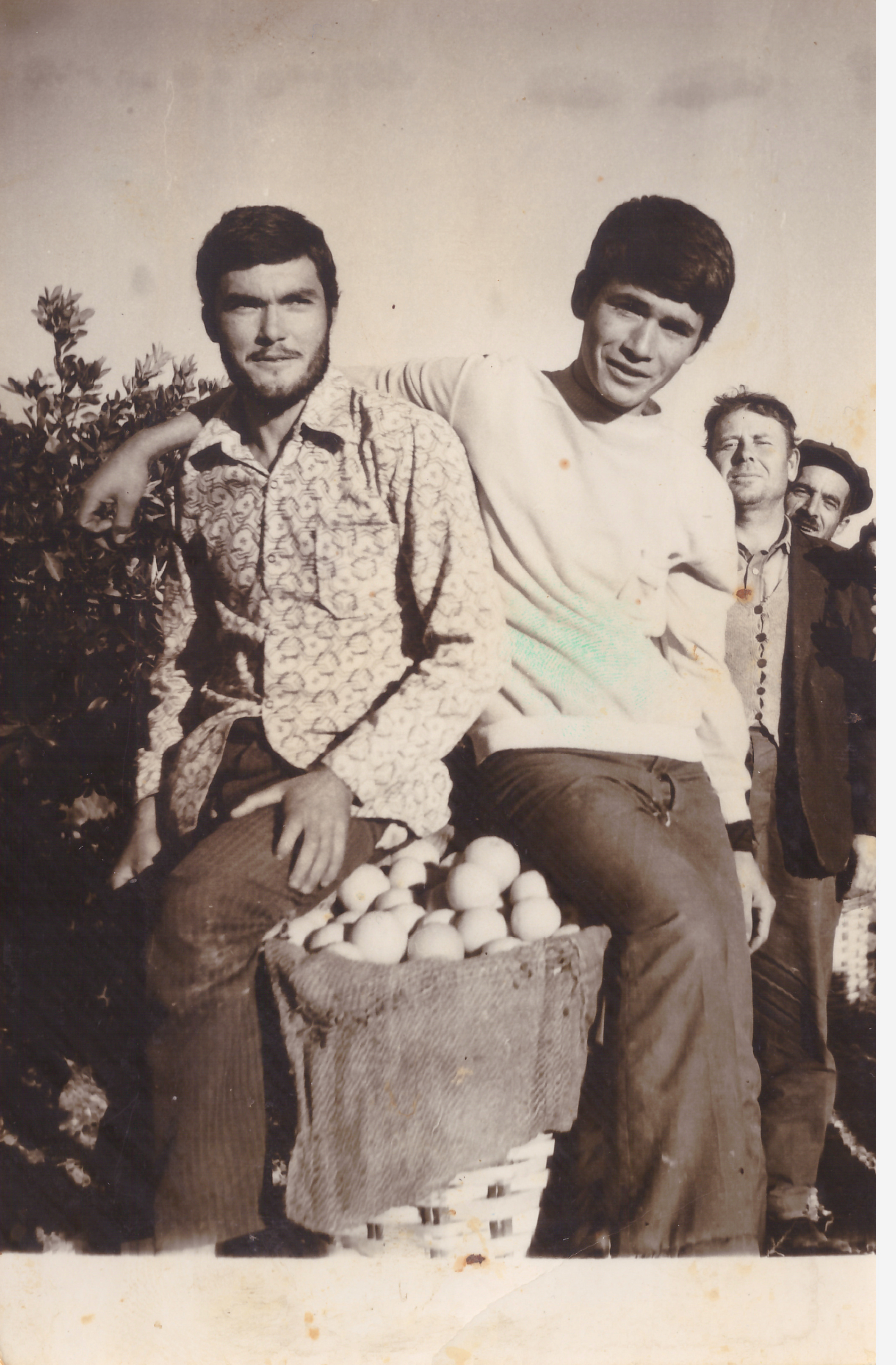
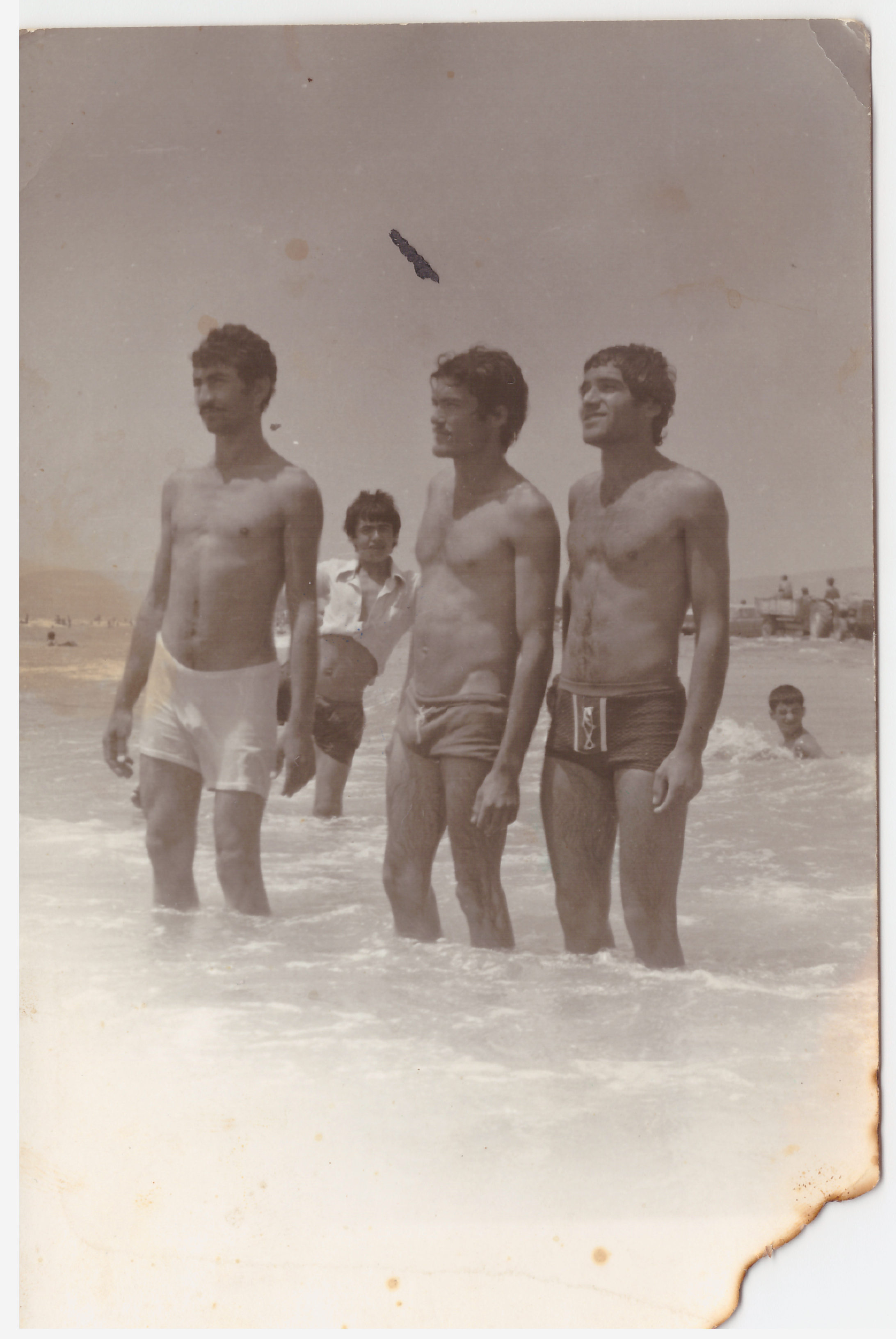
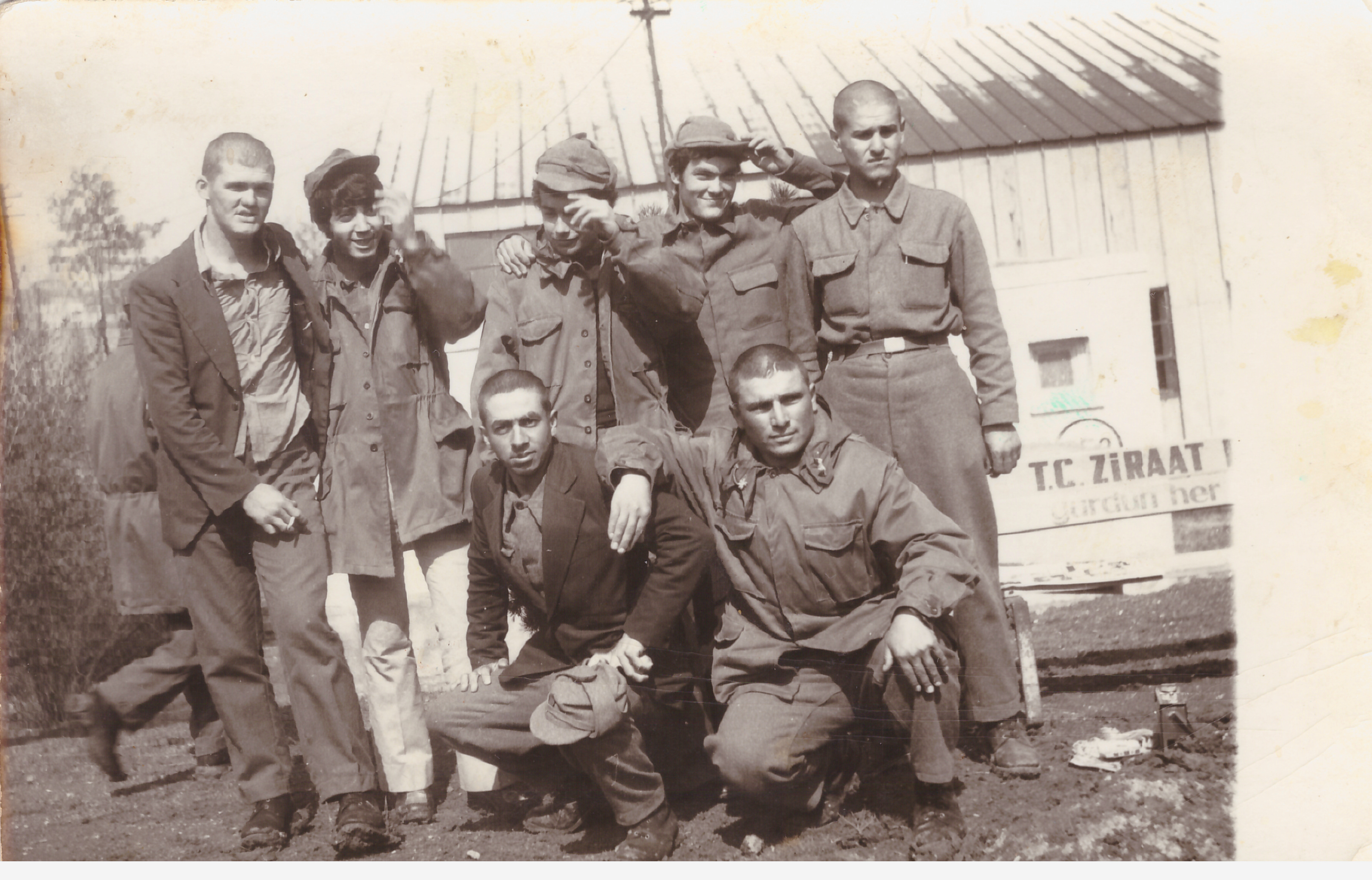
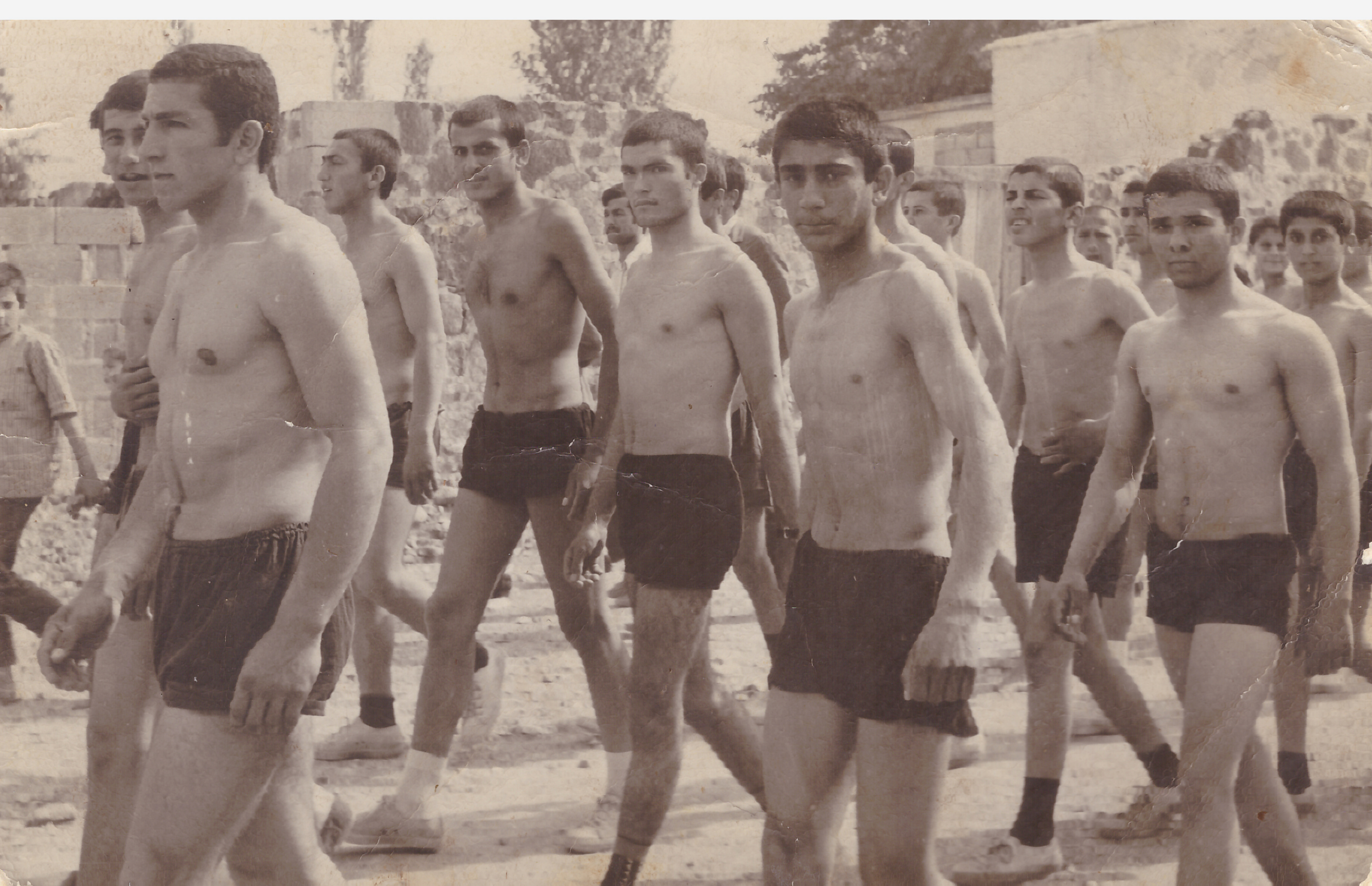
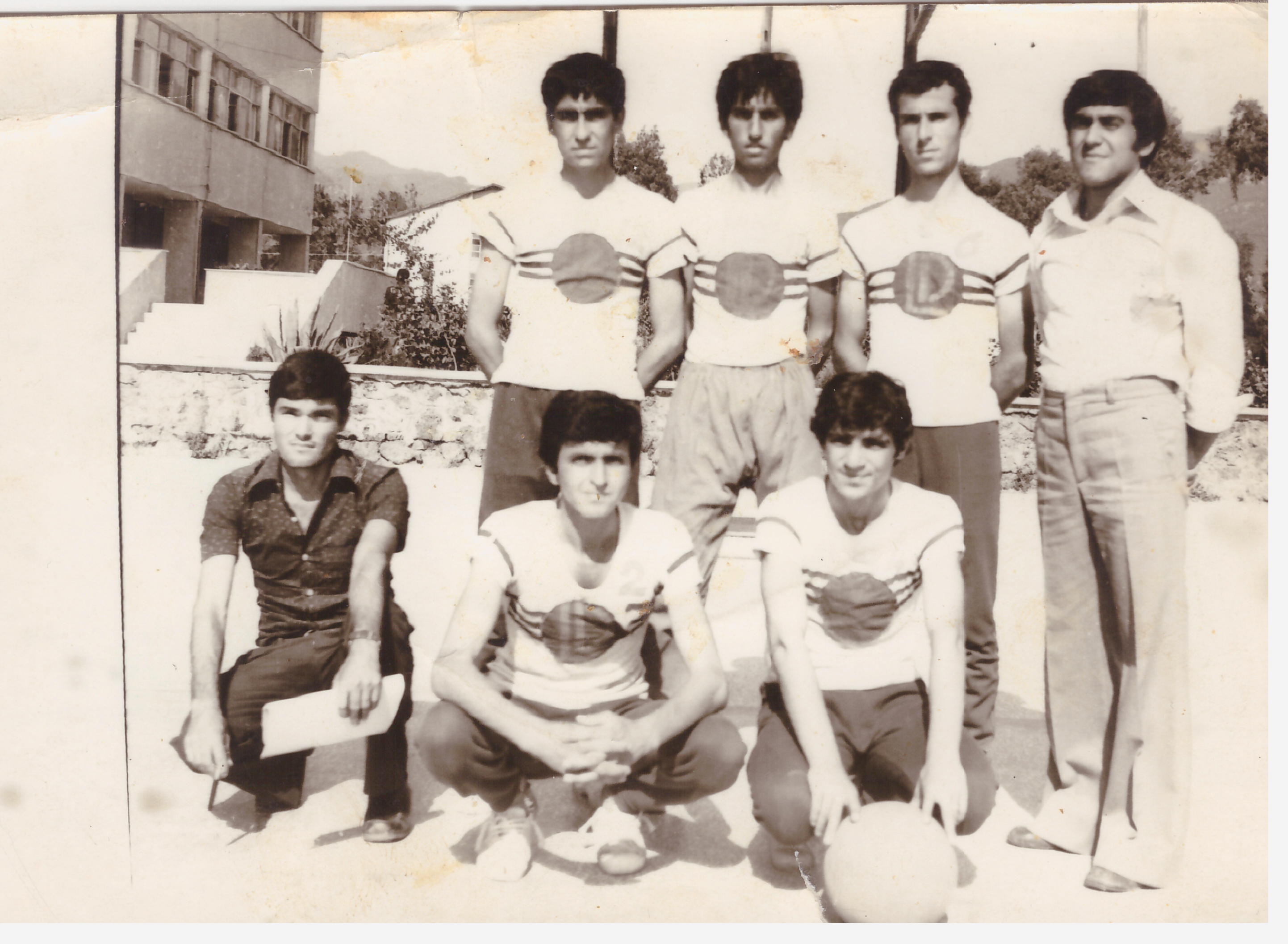
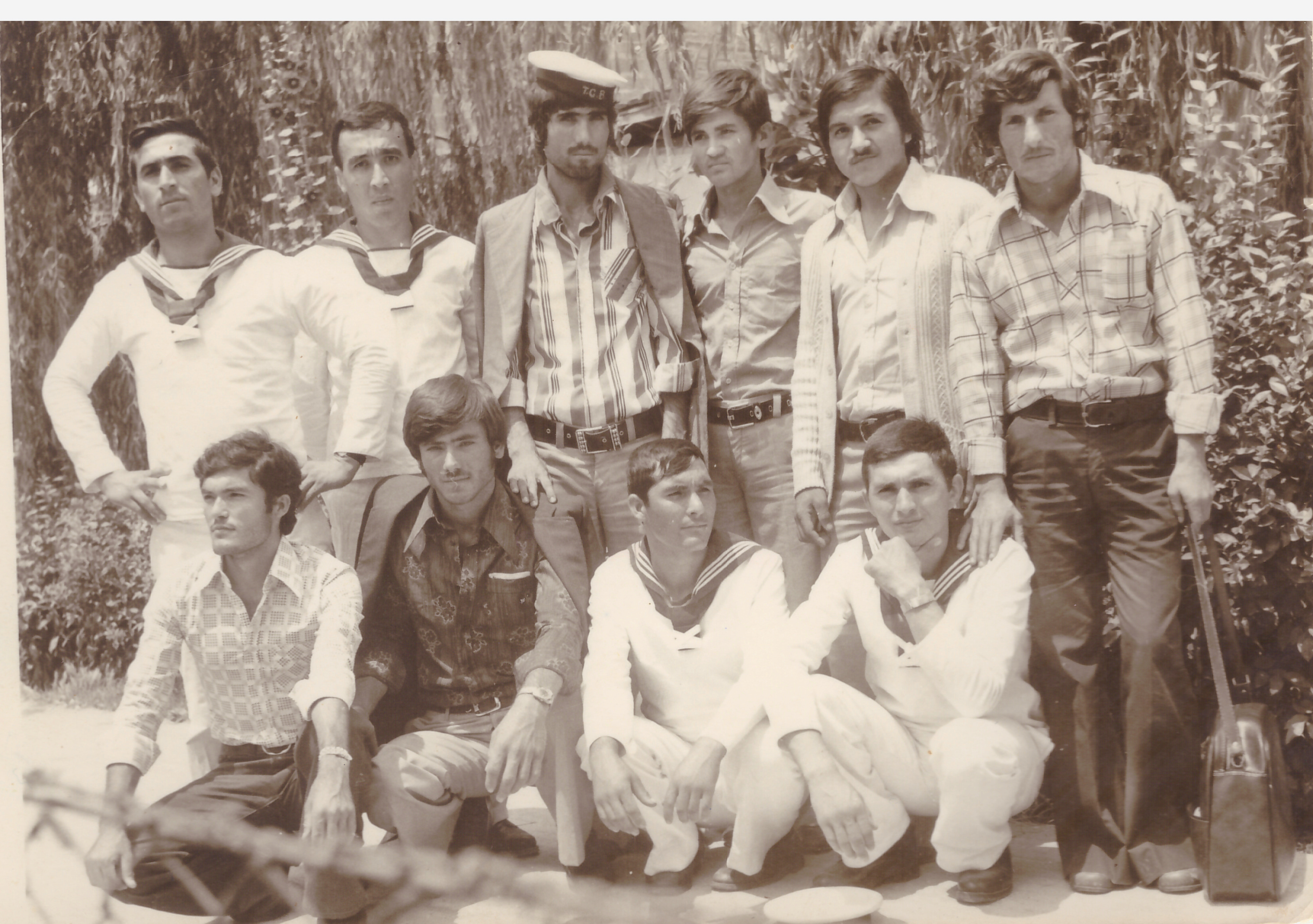
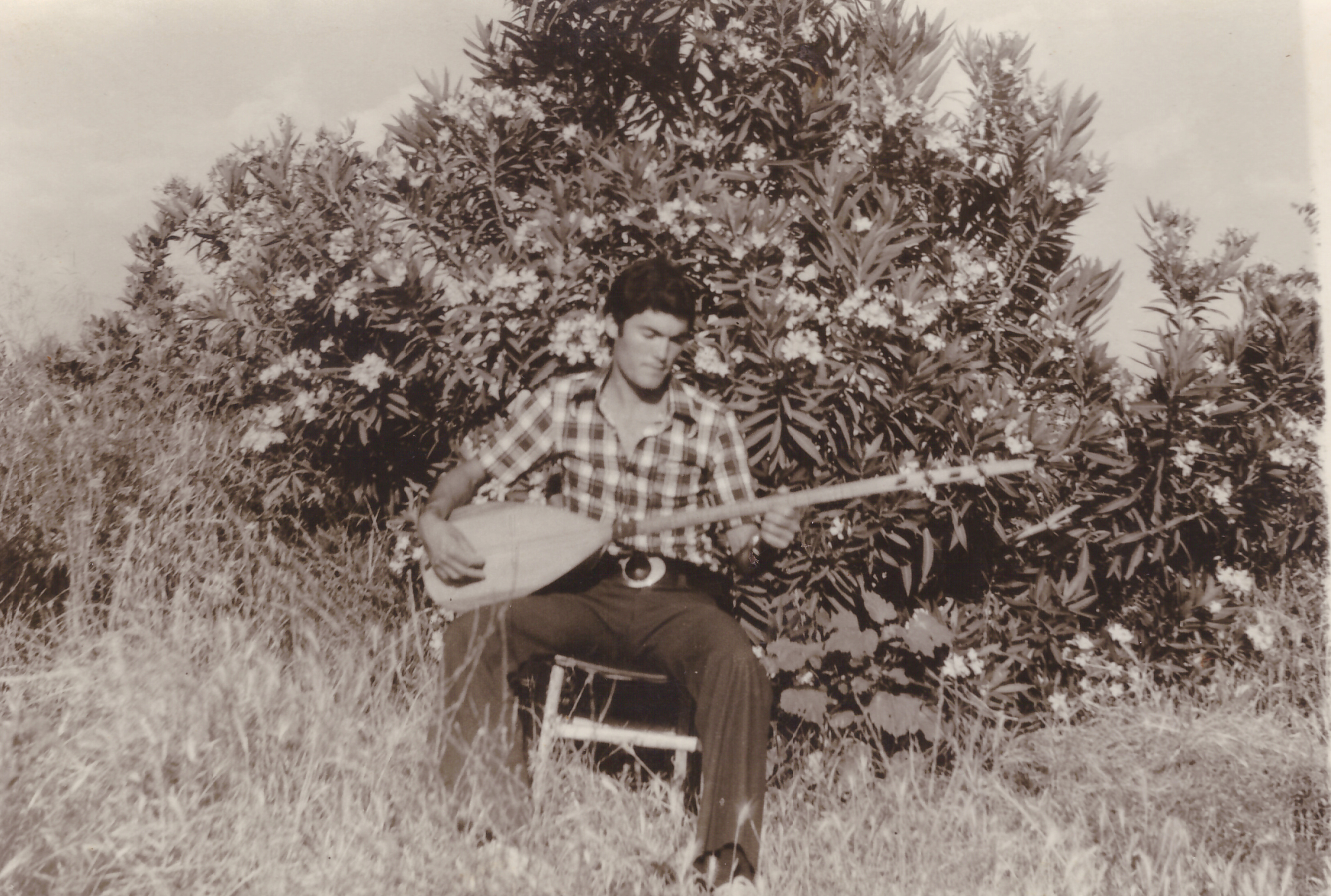
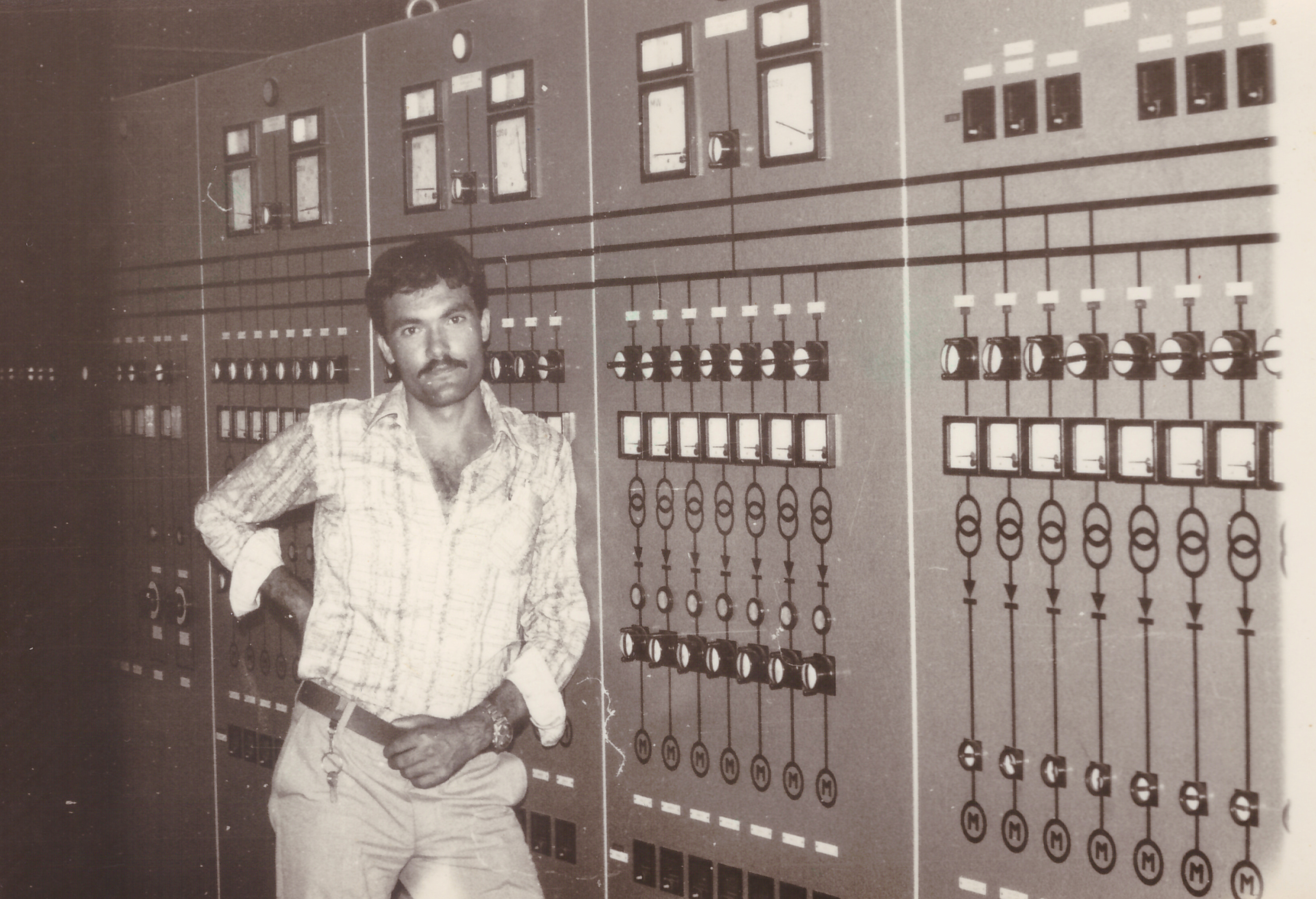
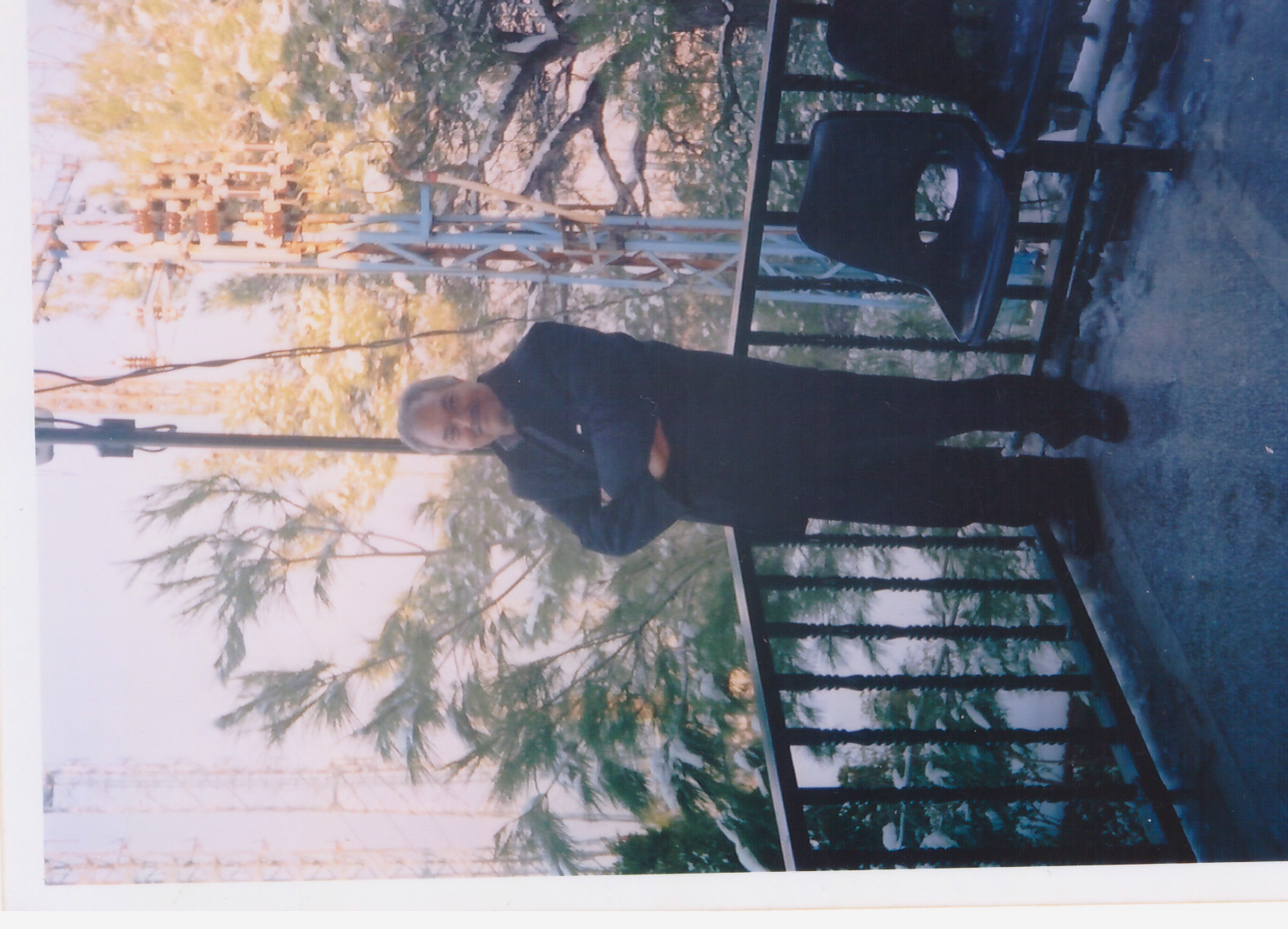
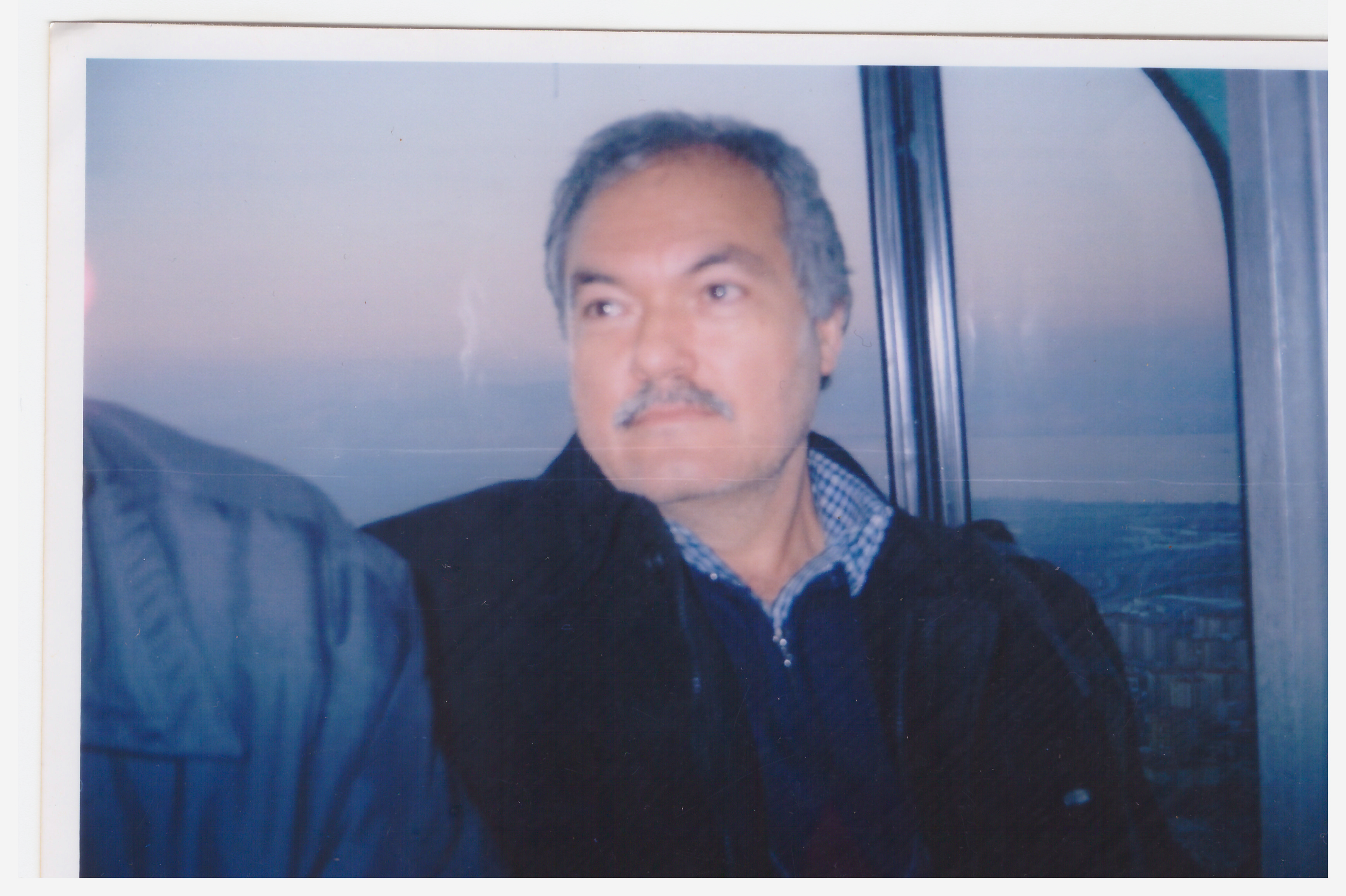
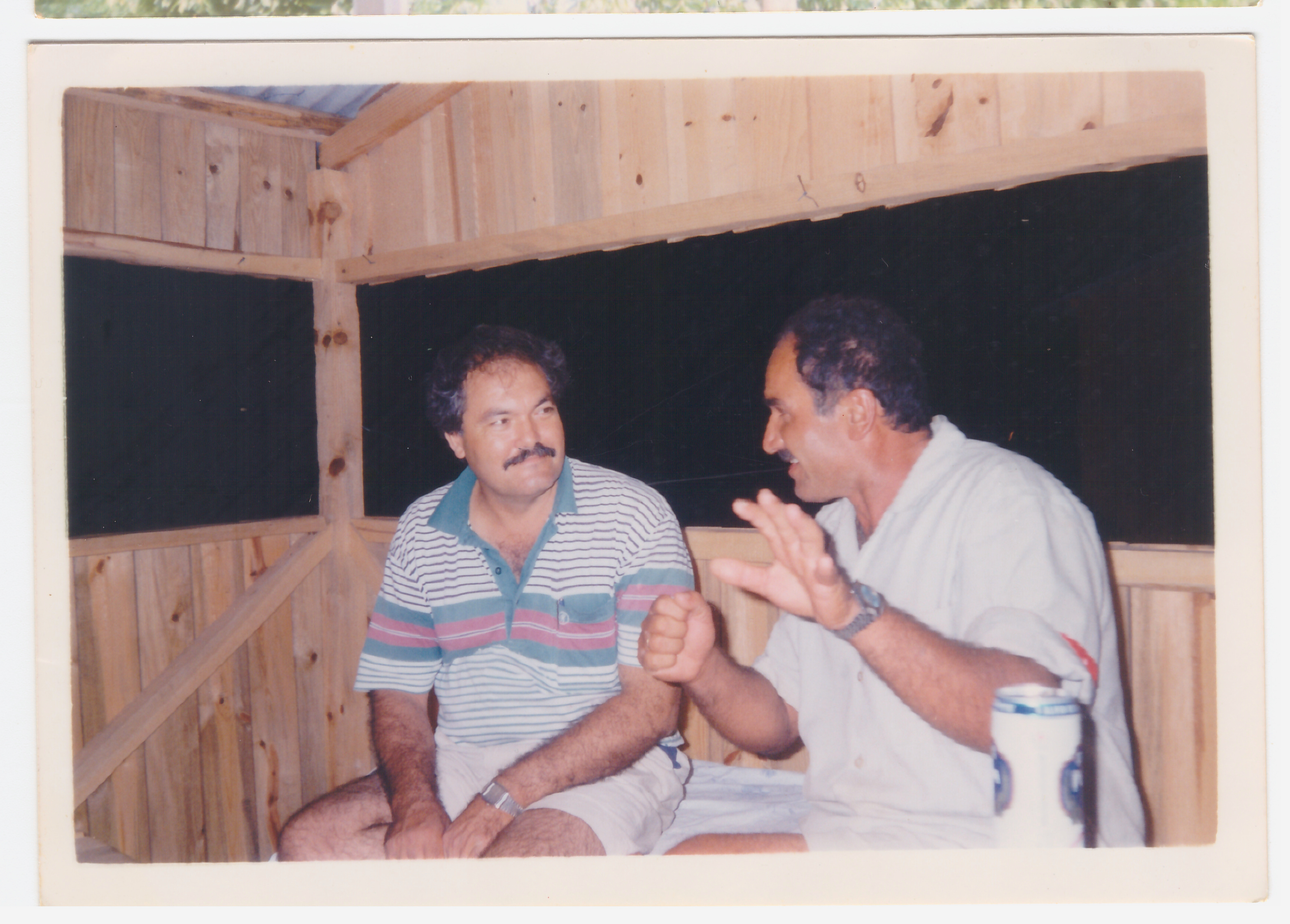
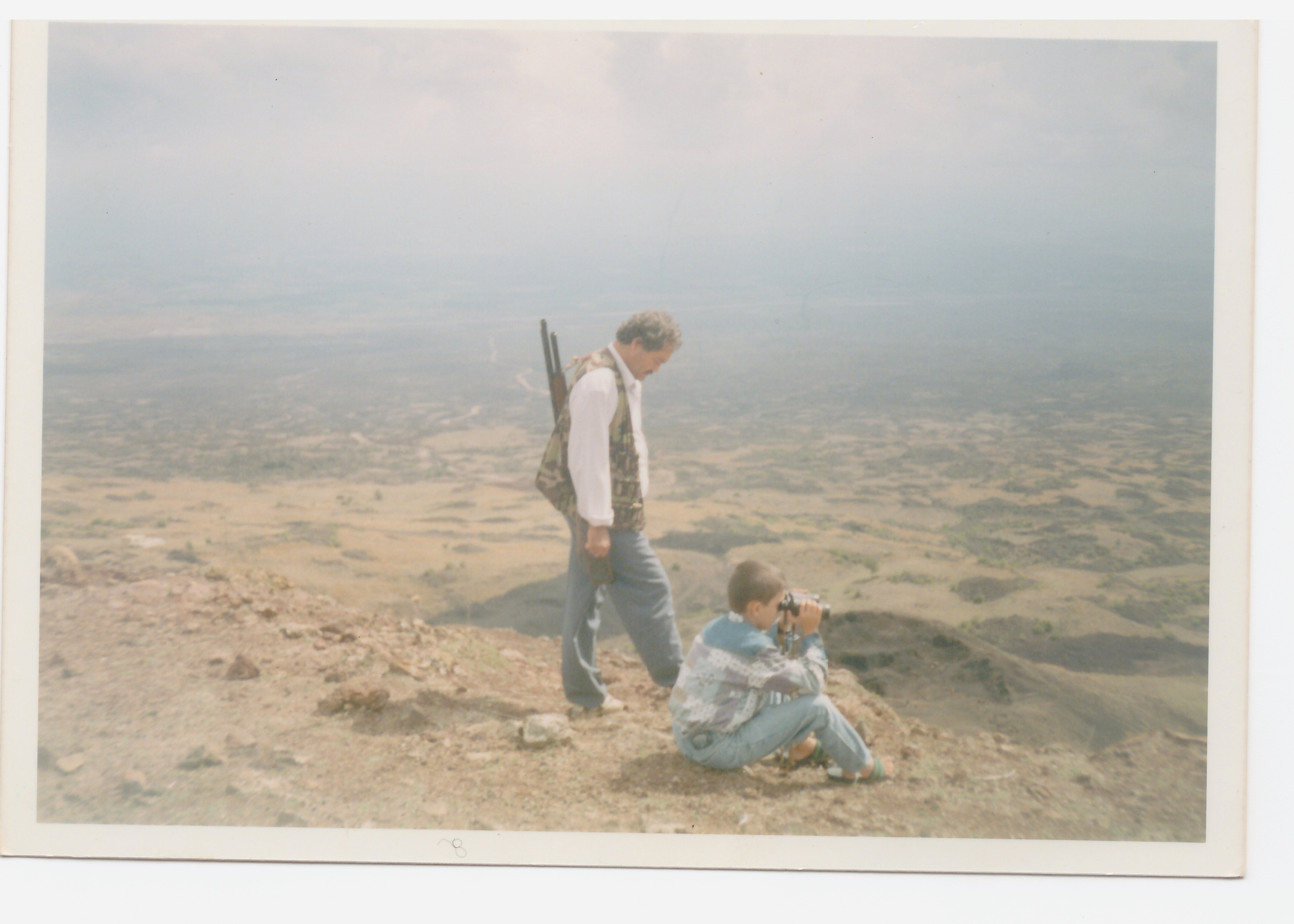
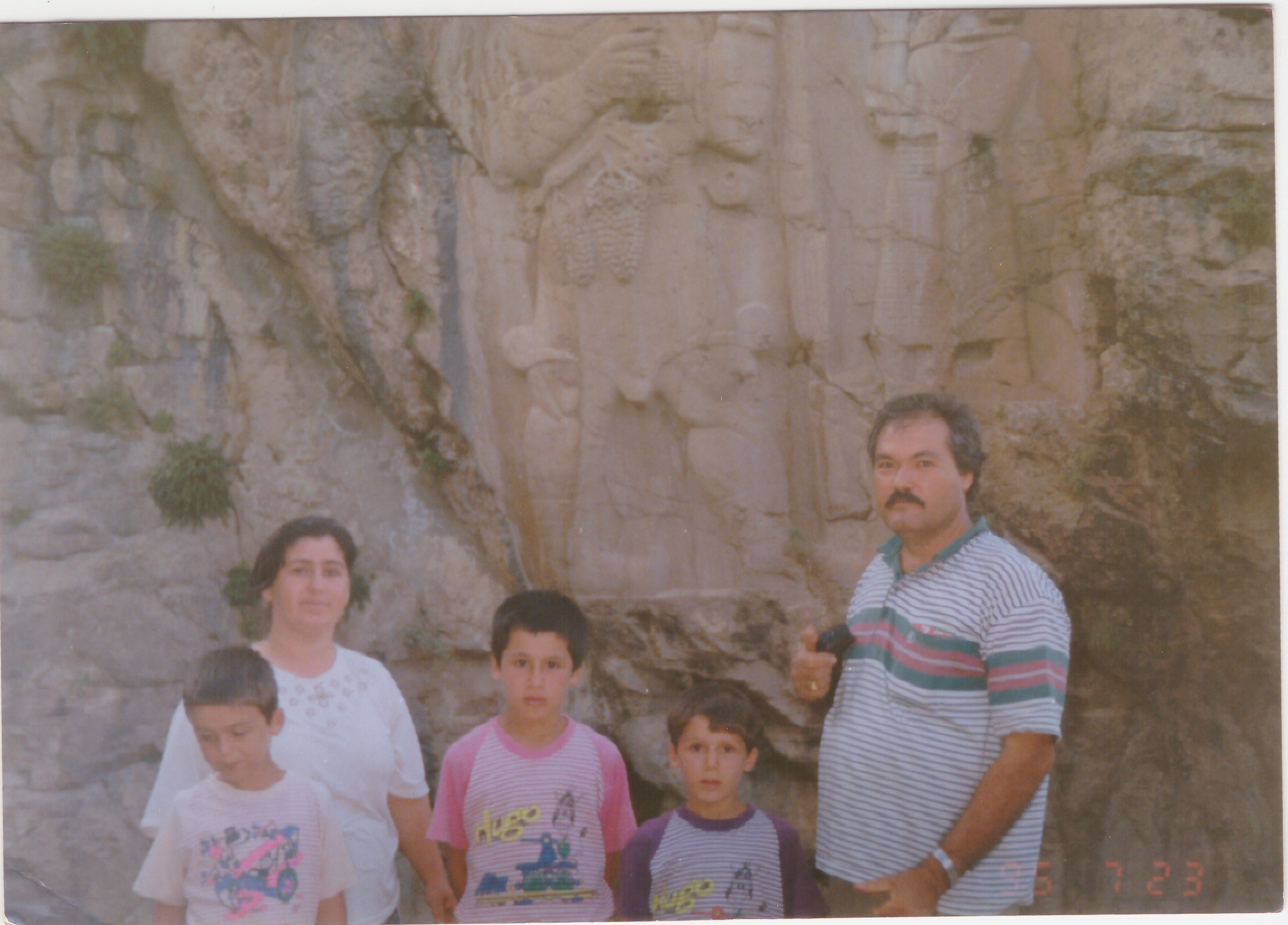
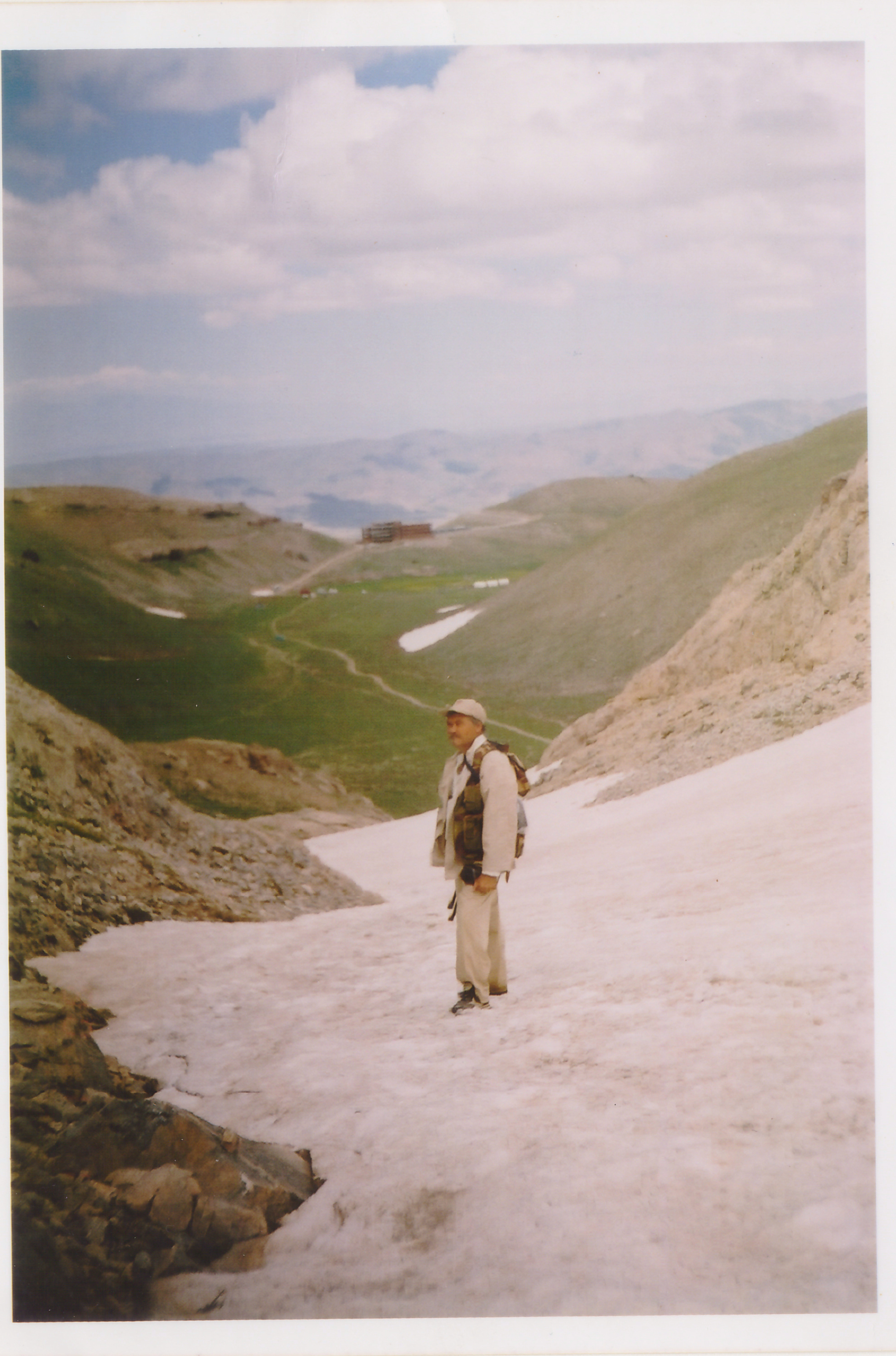
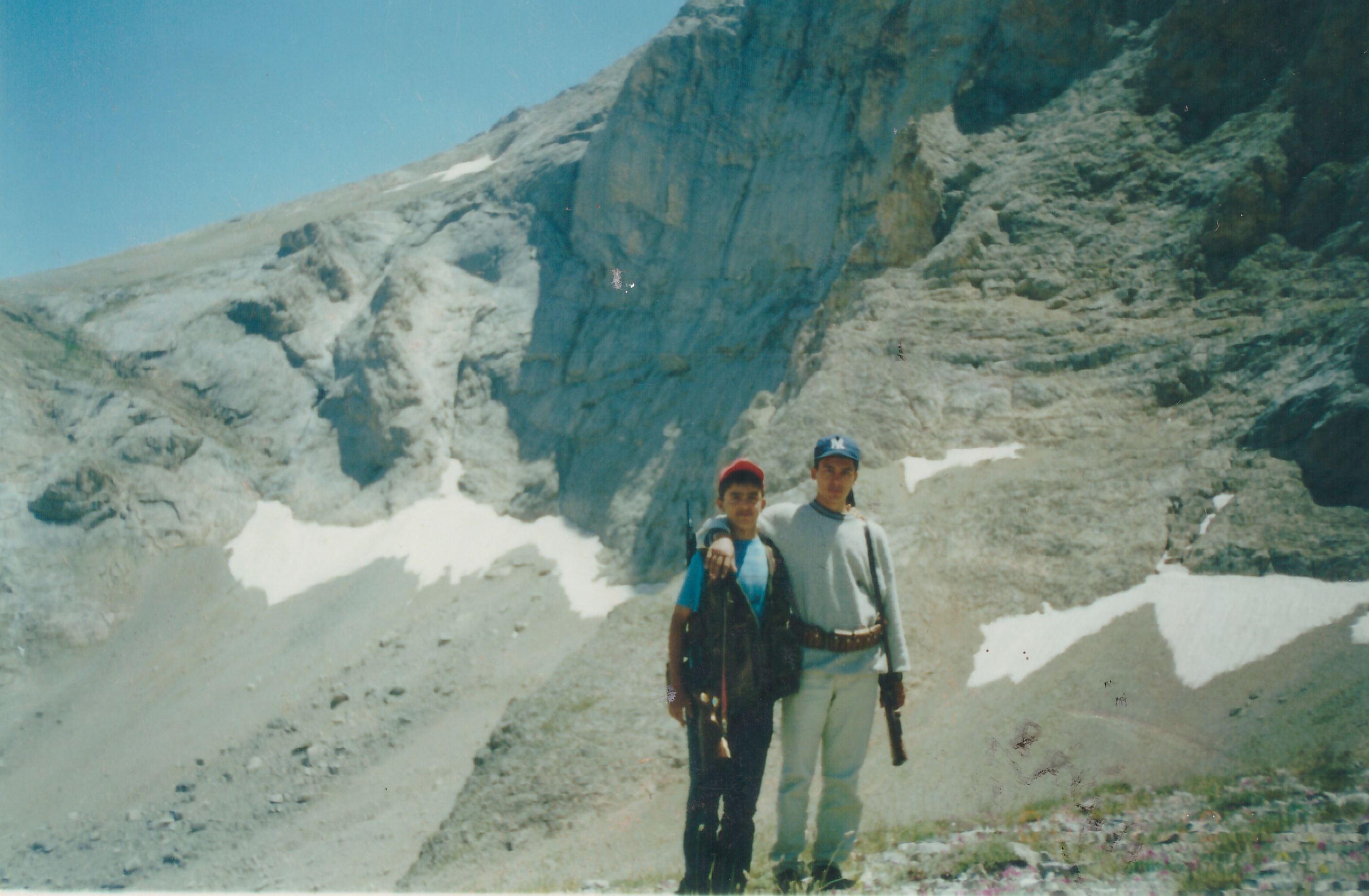
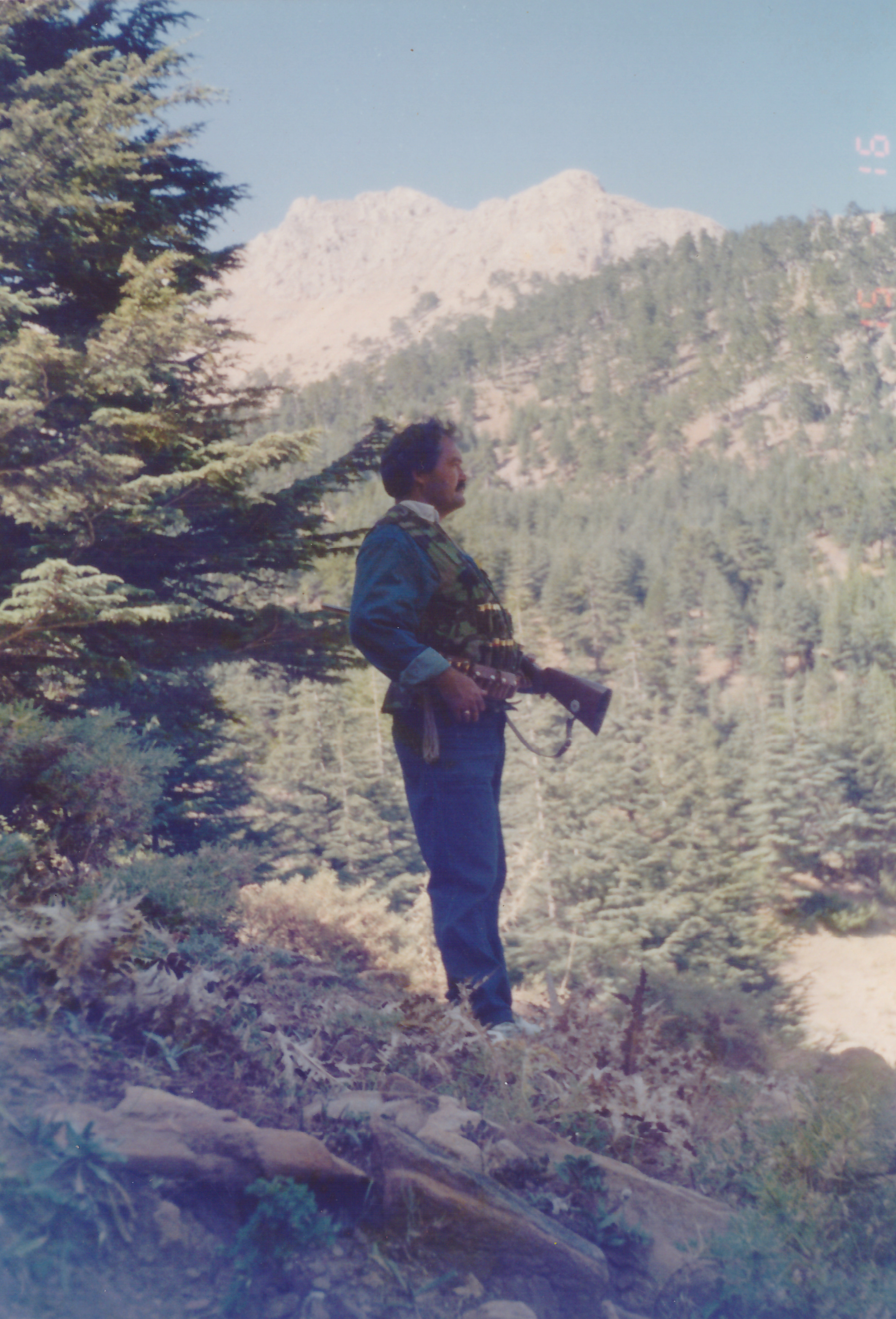
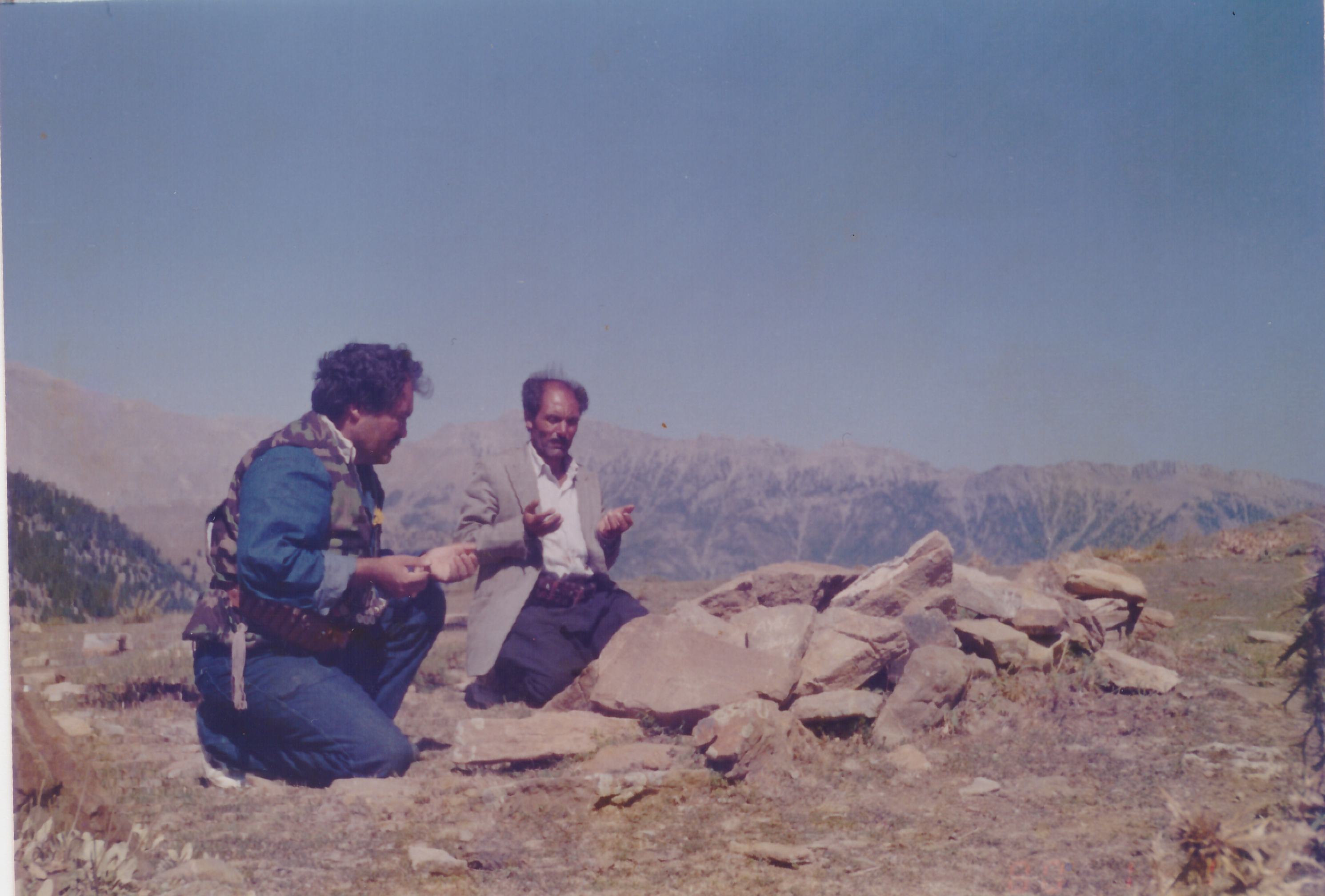
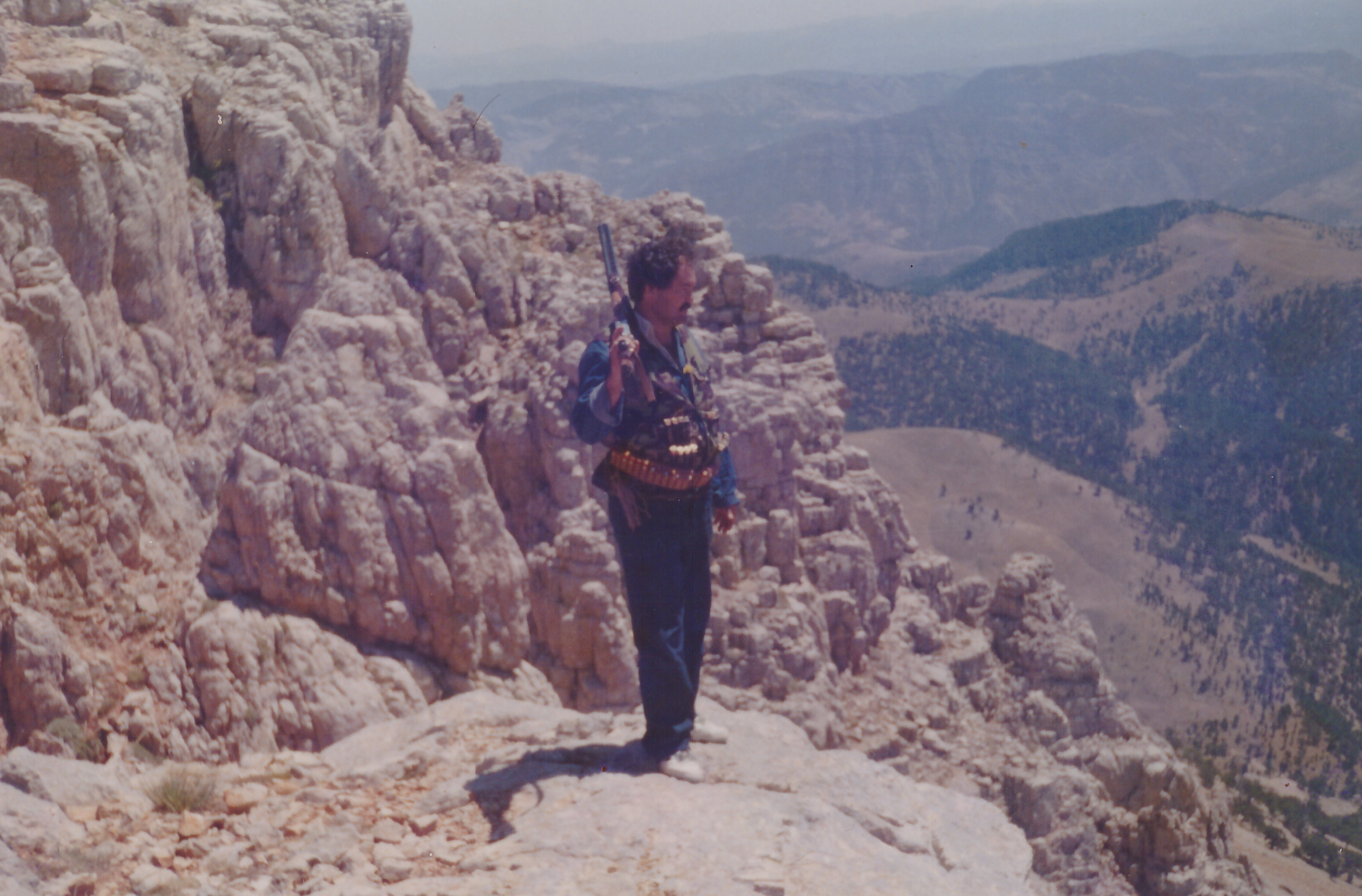
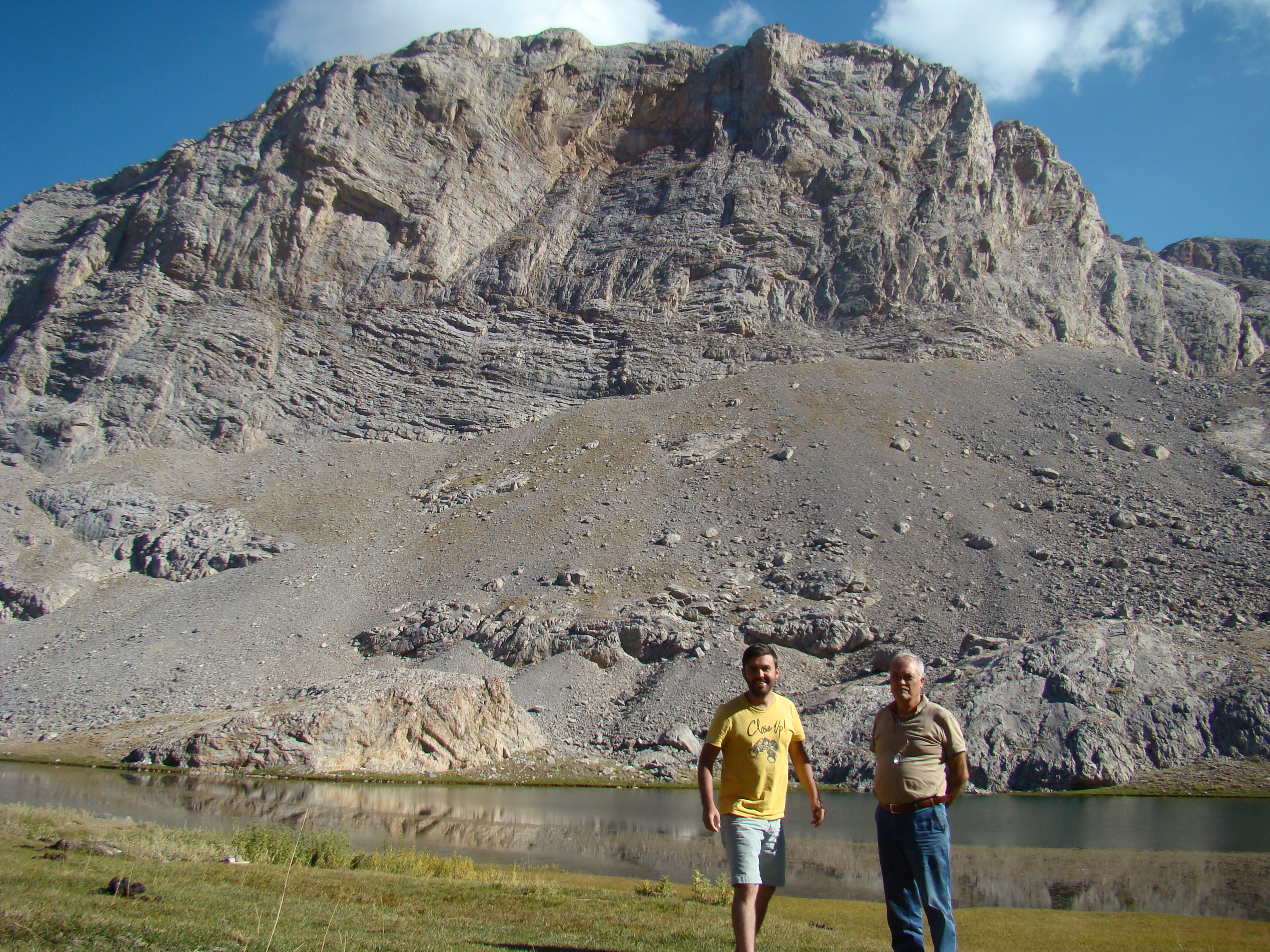
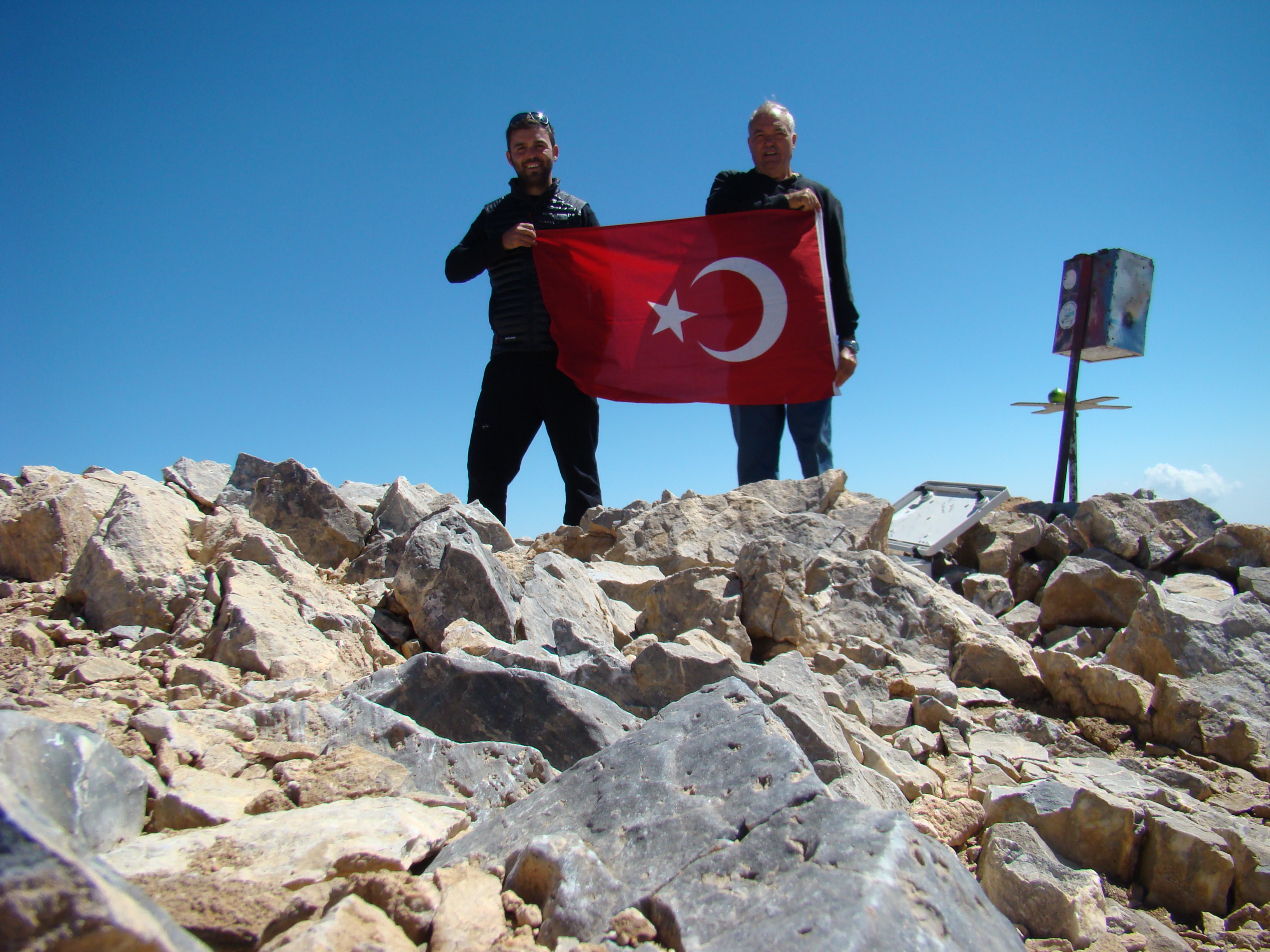
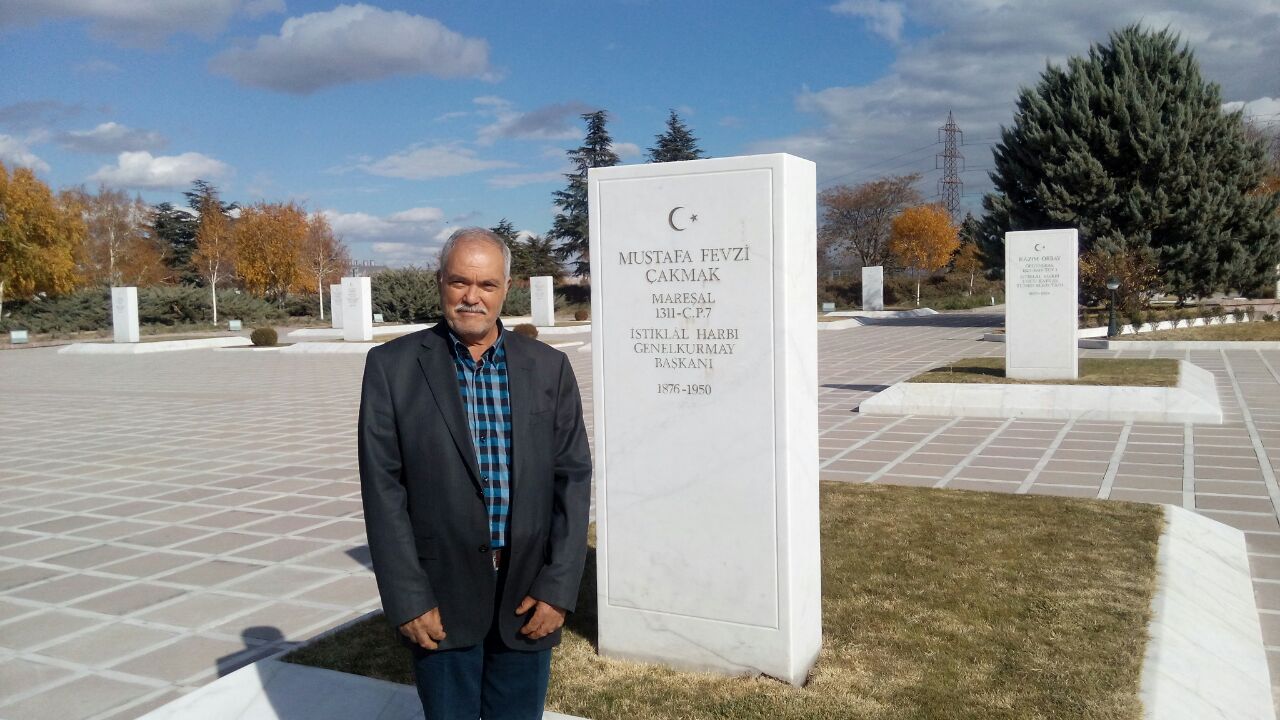
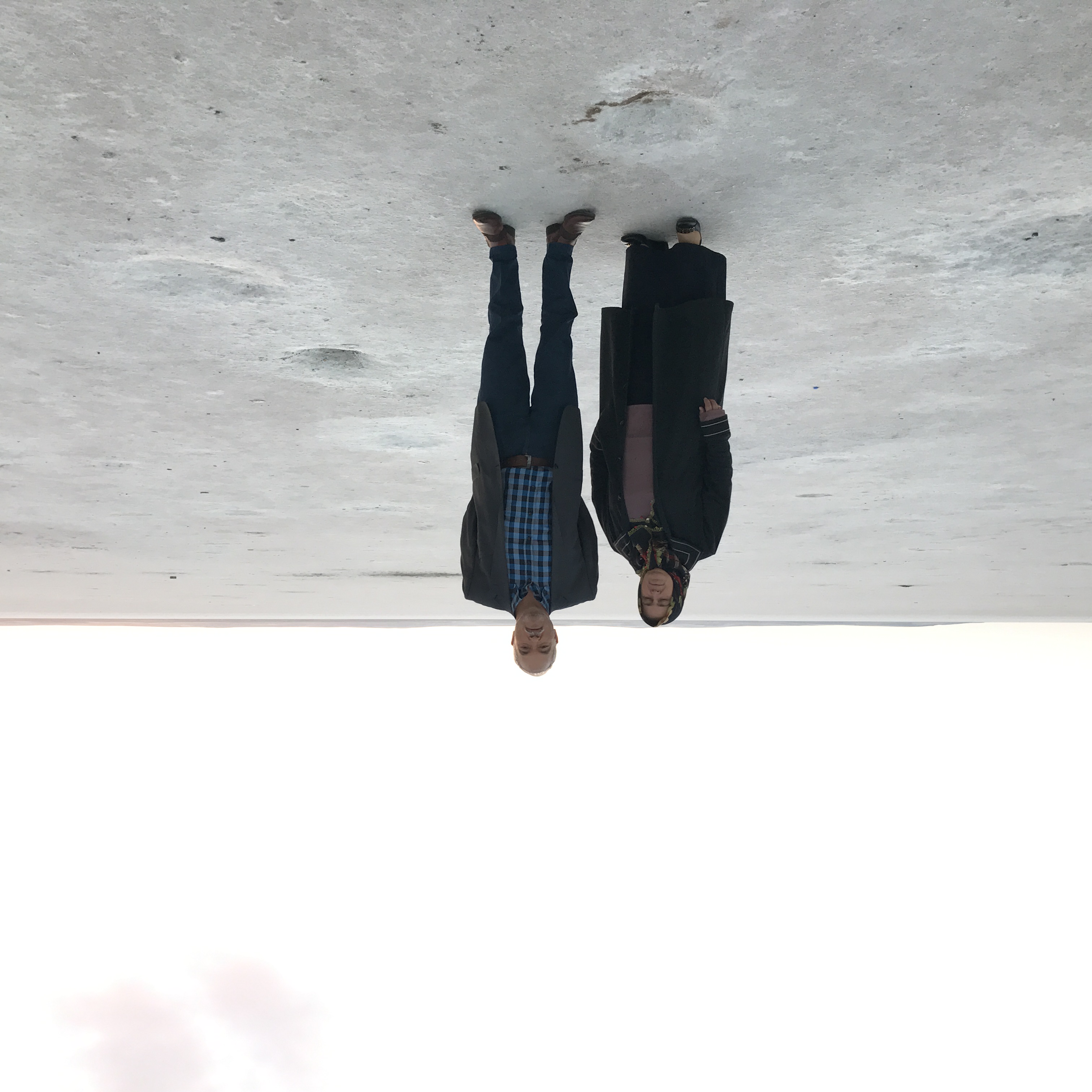
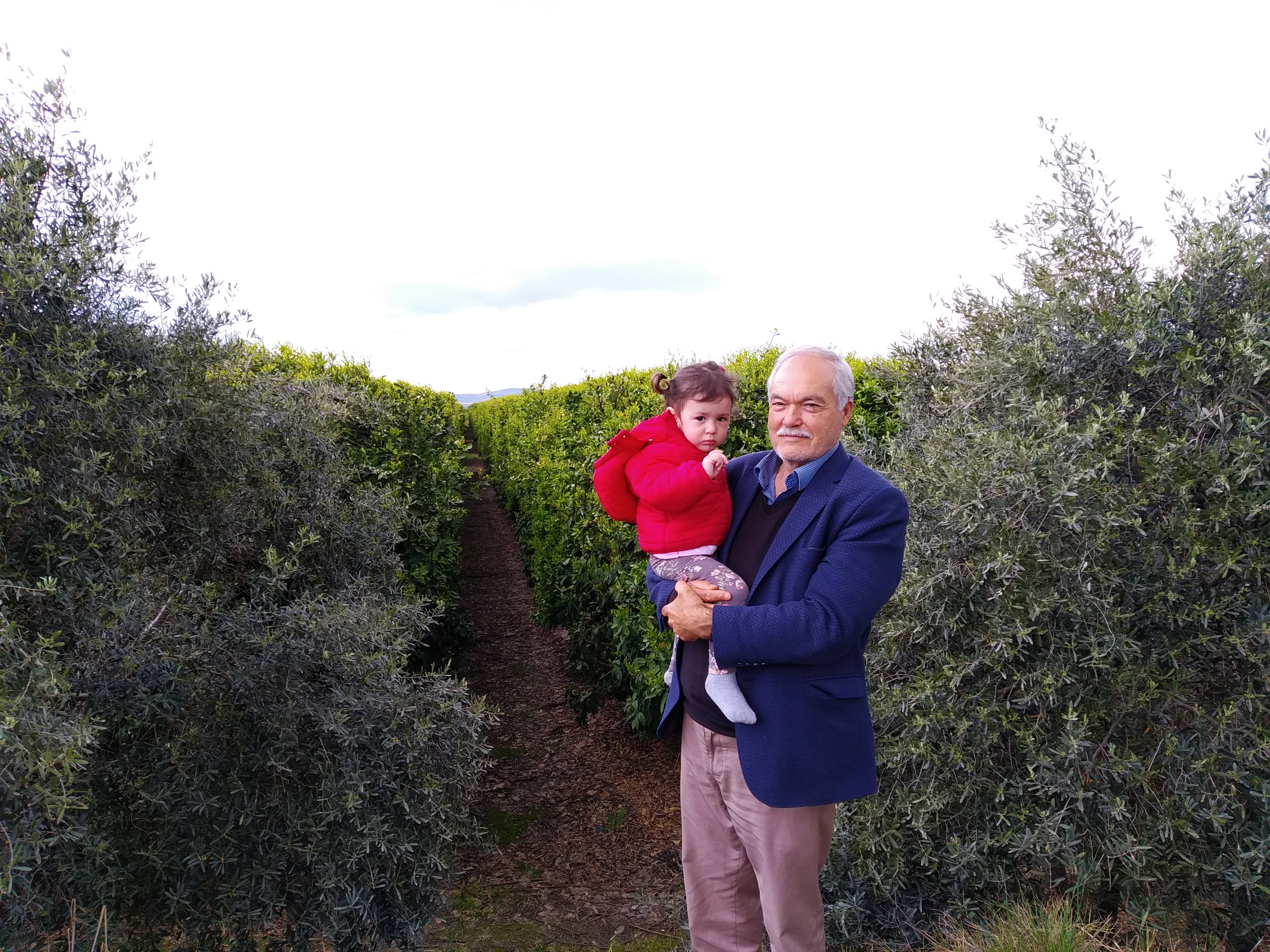
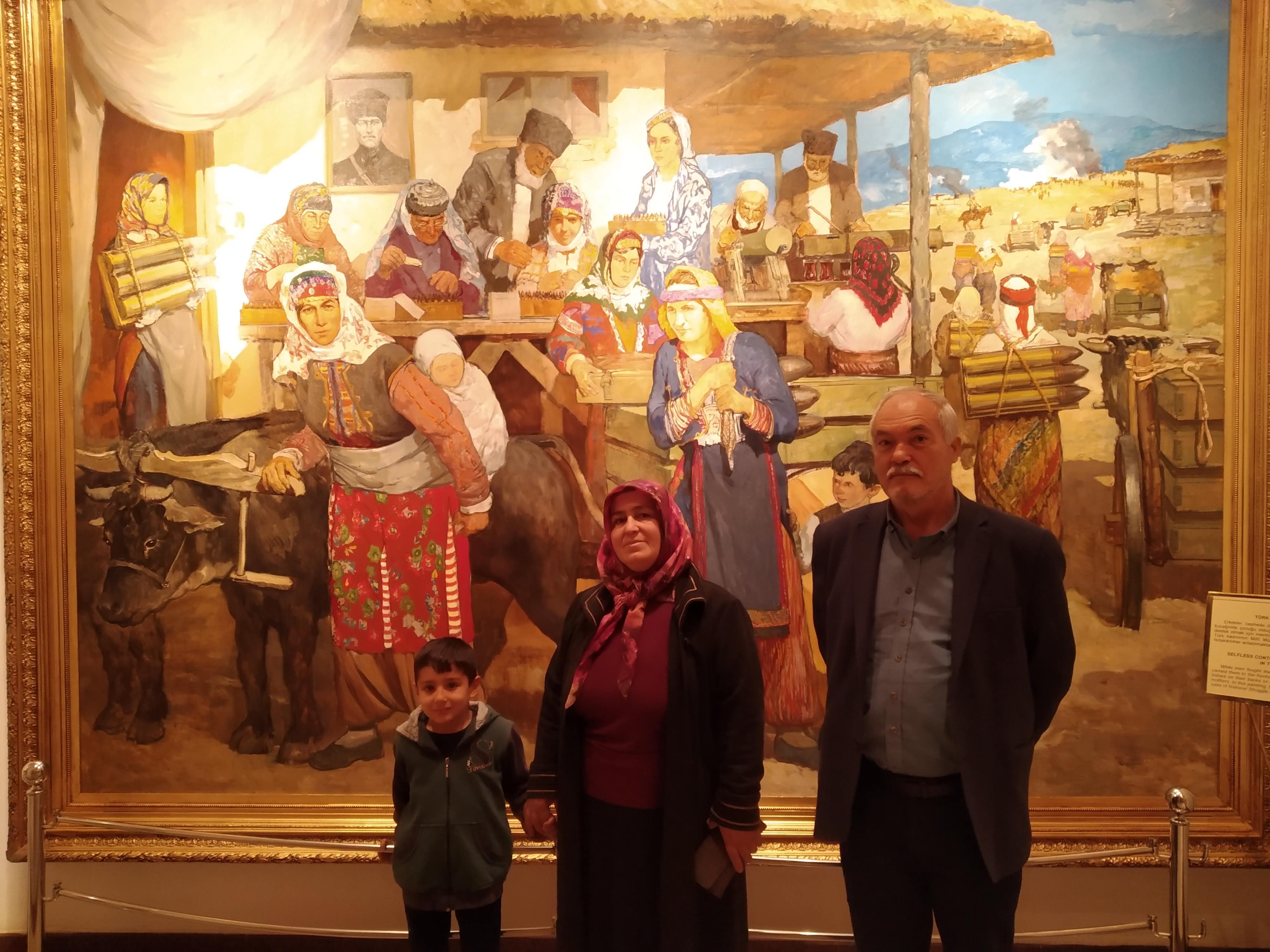
Hacı Ali Şenküçük (1954–2025) was born into the Sarıkeçili Yörük nomadic culture in the Huzurlu Plateau of the Amanos Mountains. He spent his early childhood living a fully nomadic life before his family settled in Erzin, Hatay, in 1962–1963. Although he began formal education late due to economic hardship, his strong passion for learning led him toward history and geography.
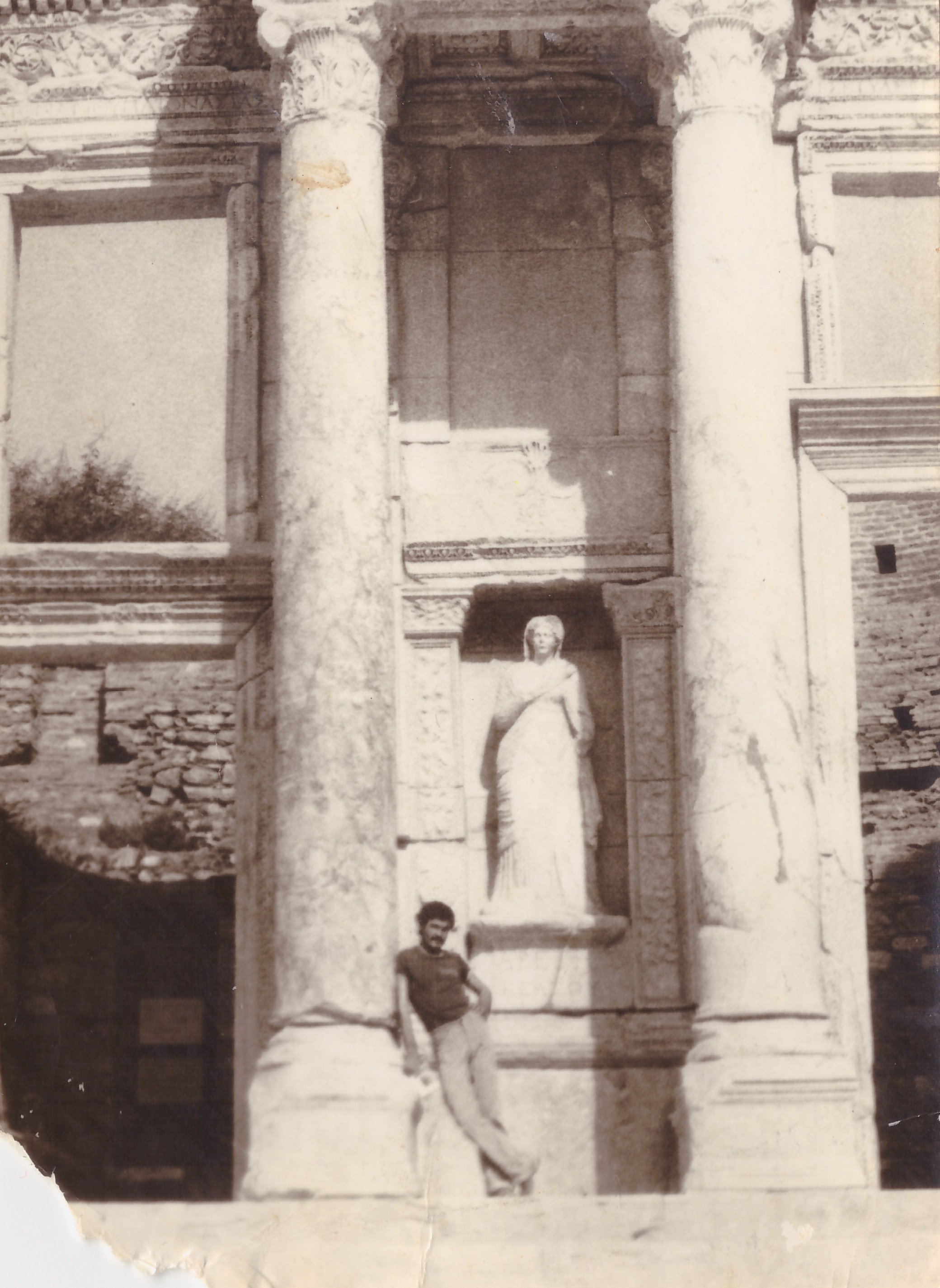
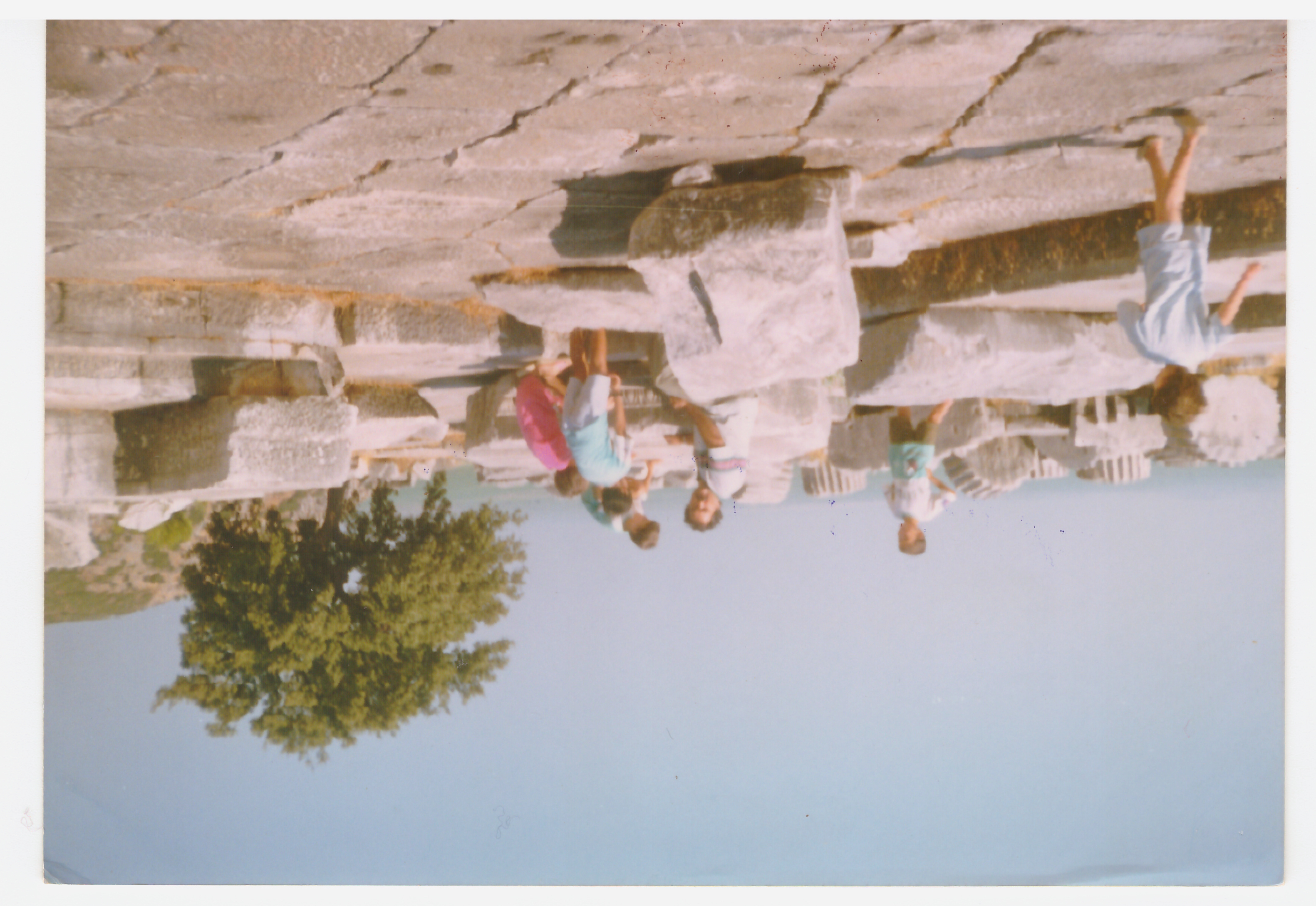
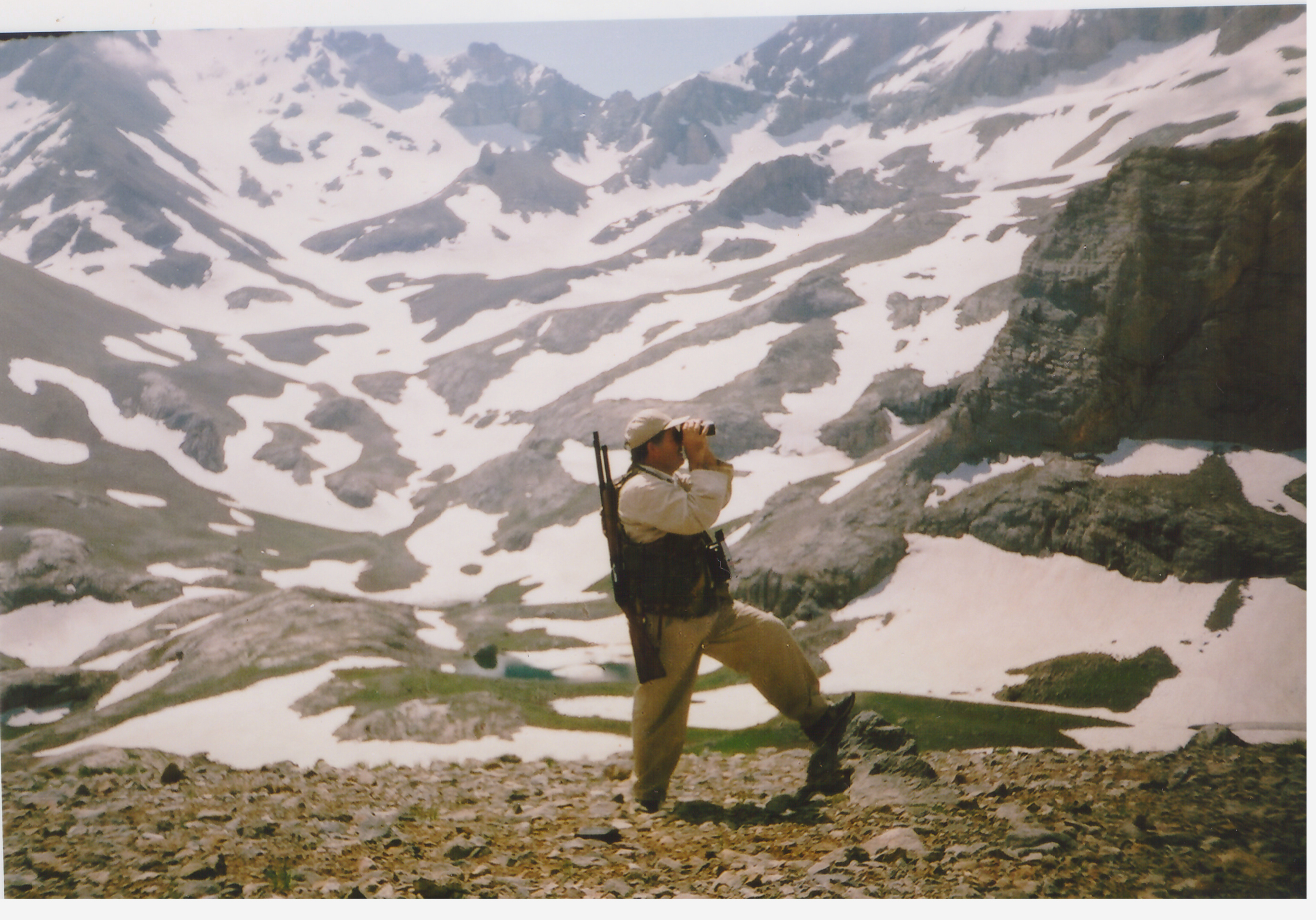
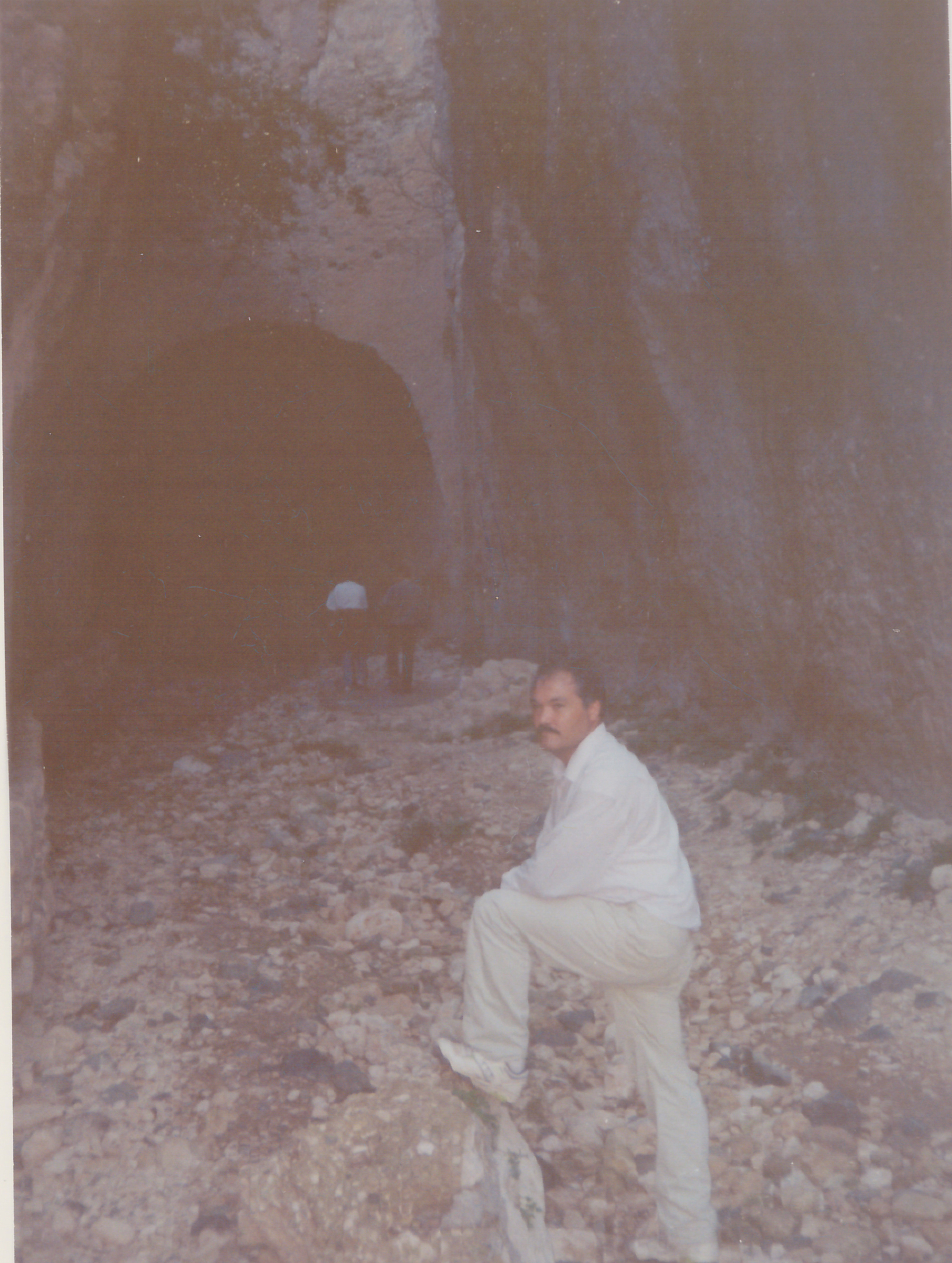
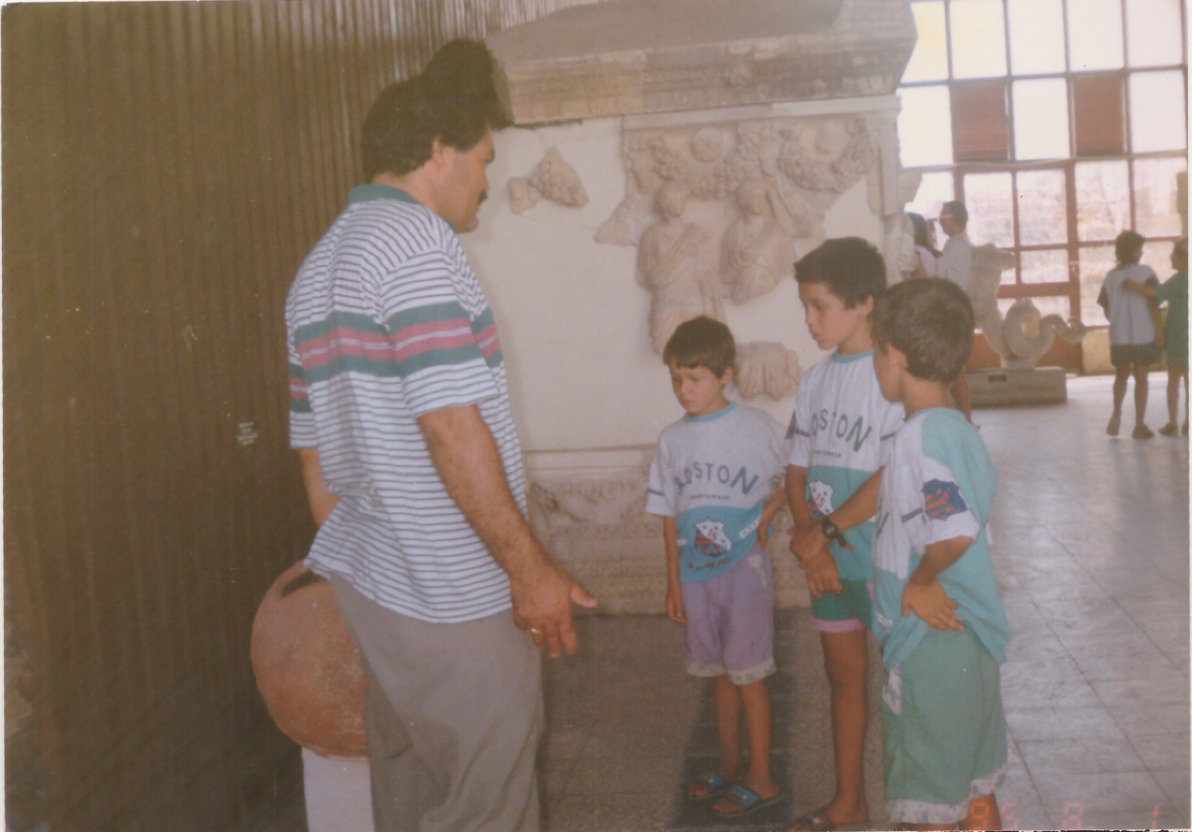
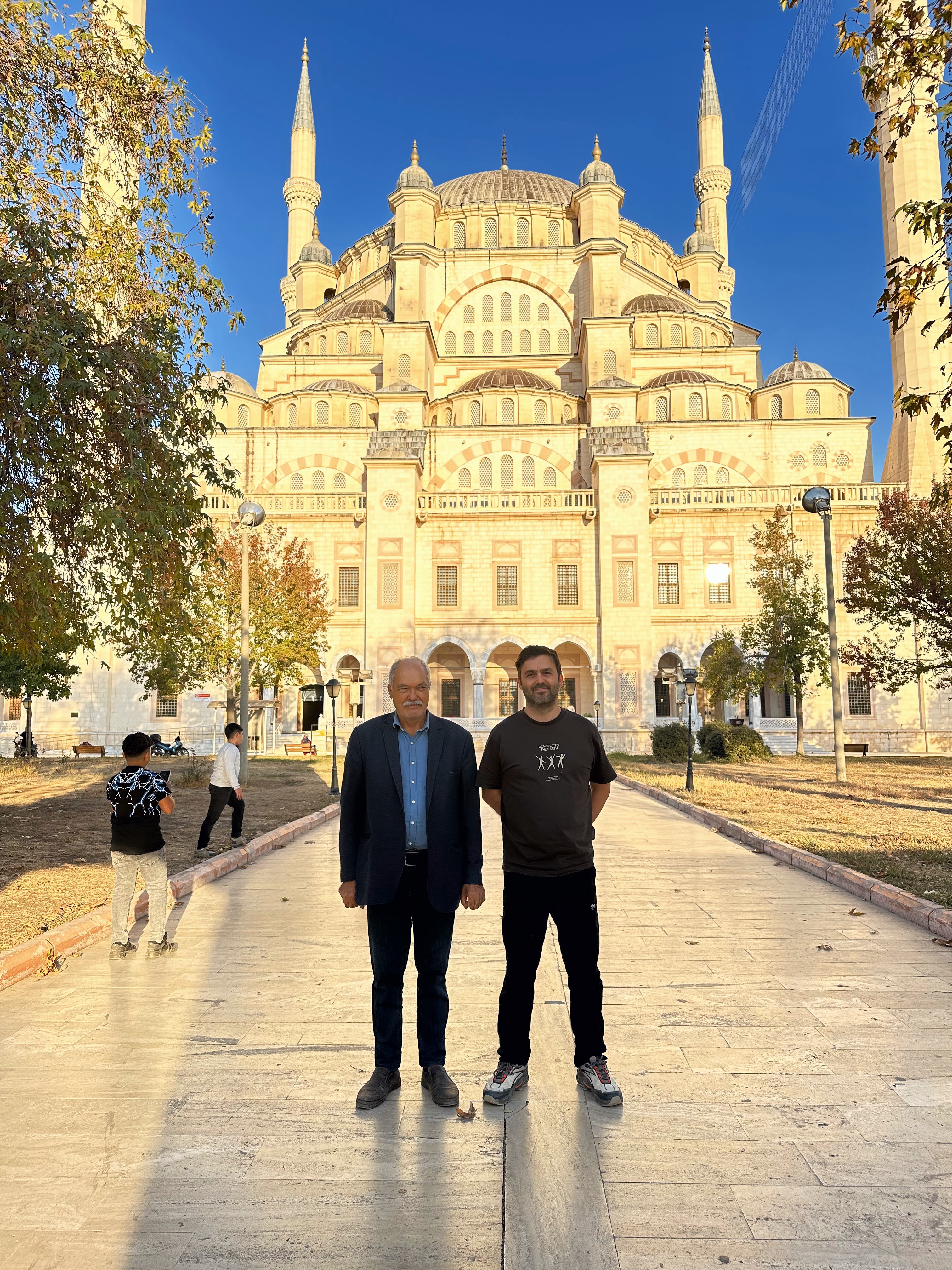
He studied Dispatch and Administration at Çukurova University during a politically turbulent period in Turkey. Throughout his life, he traveled extensively across the country, researching historical structures, archaeological sites, and museums. He made significant contributions to the history of Erzin and Hatay and donated approximately 2,000 historical artifacts to the Antakya Archaeology Museum.
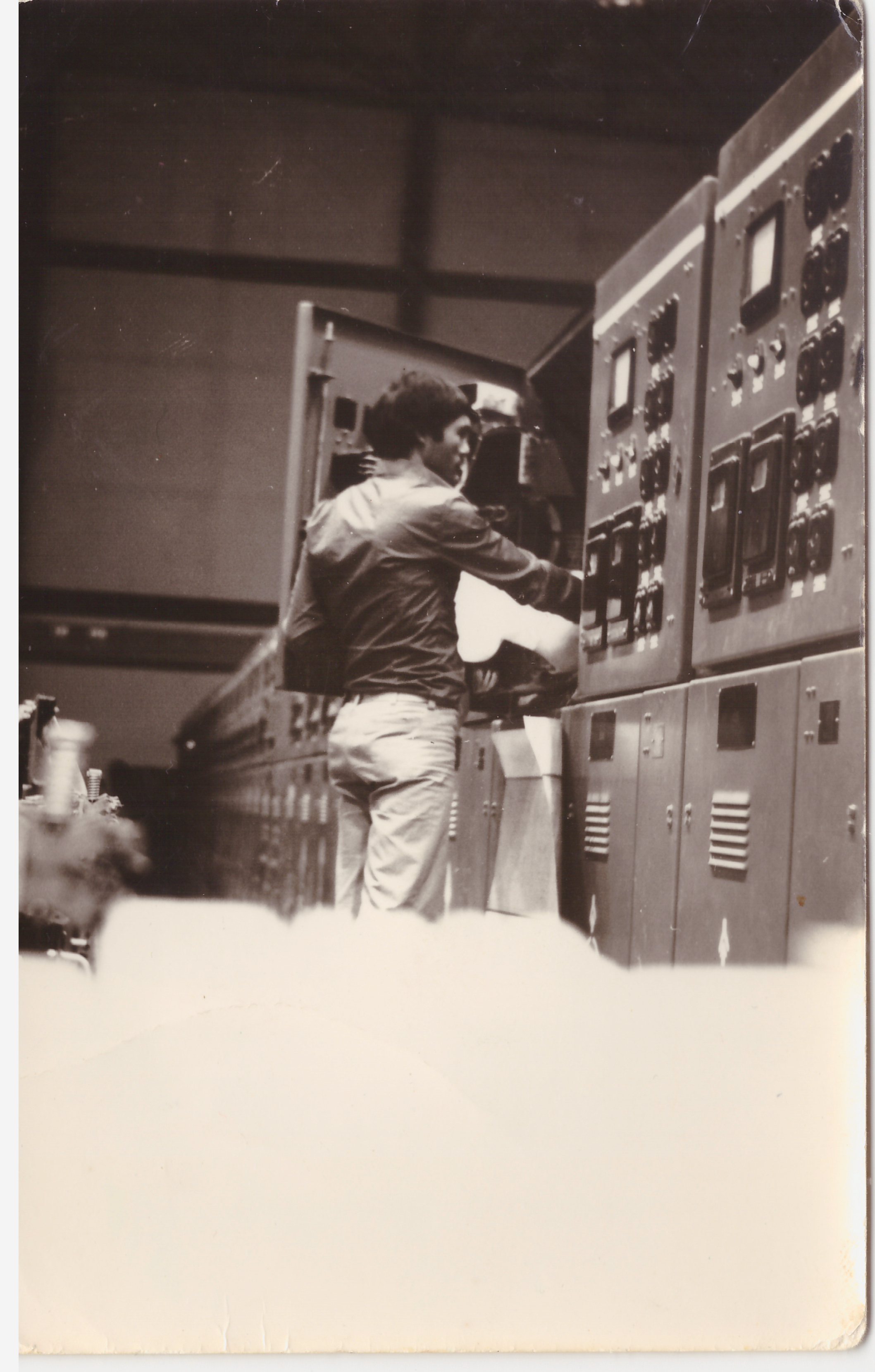
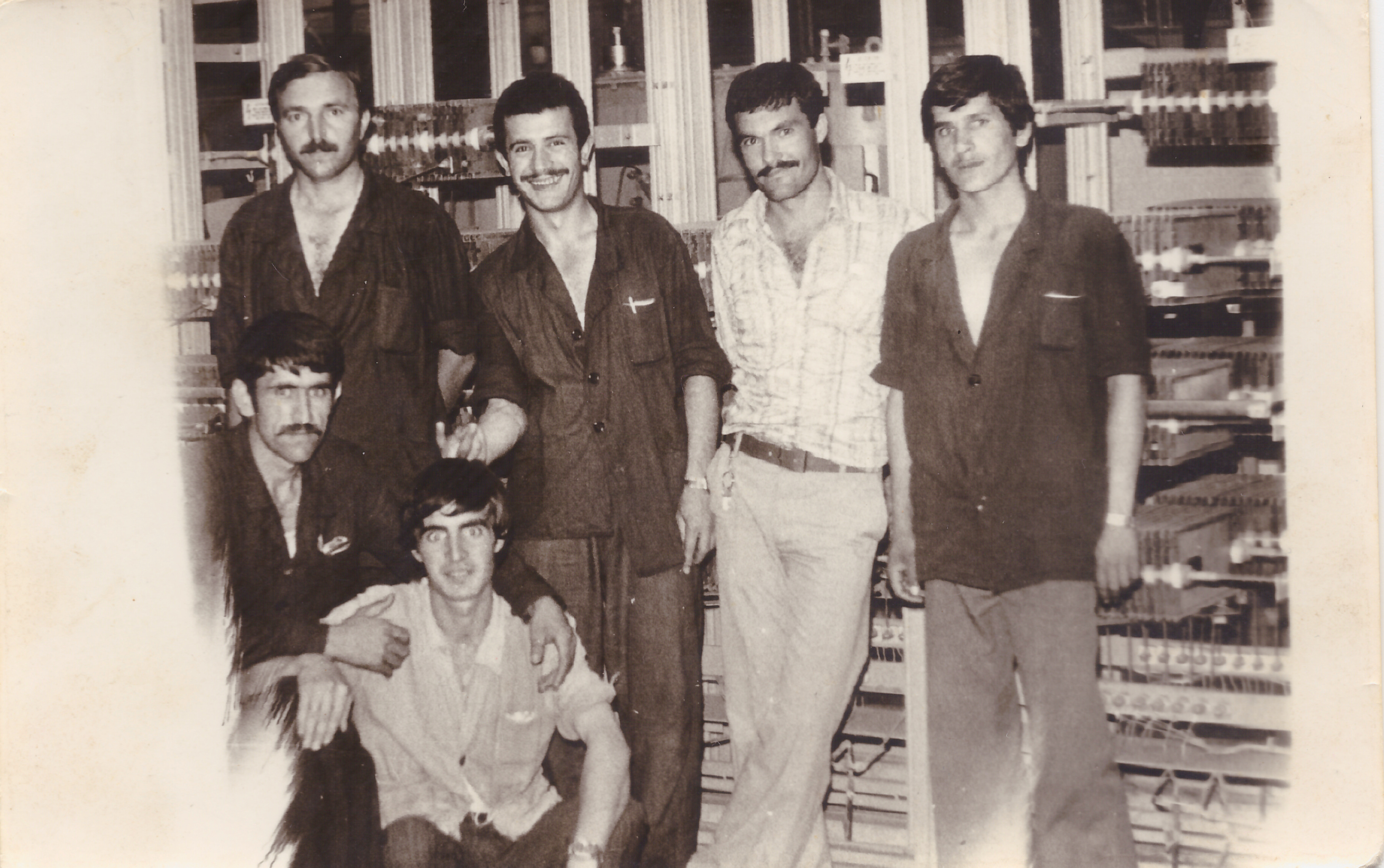
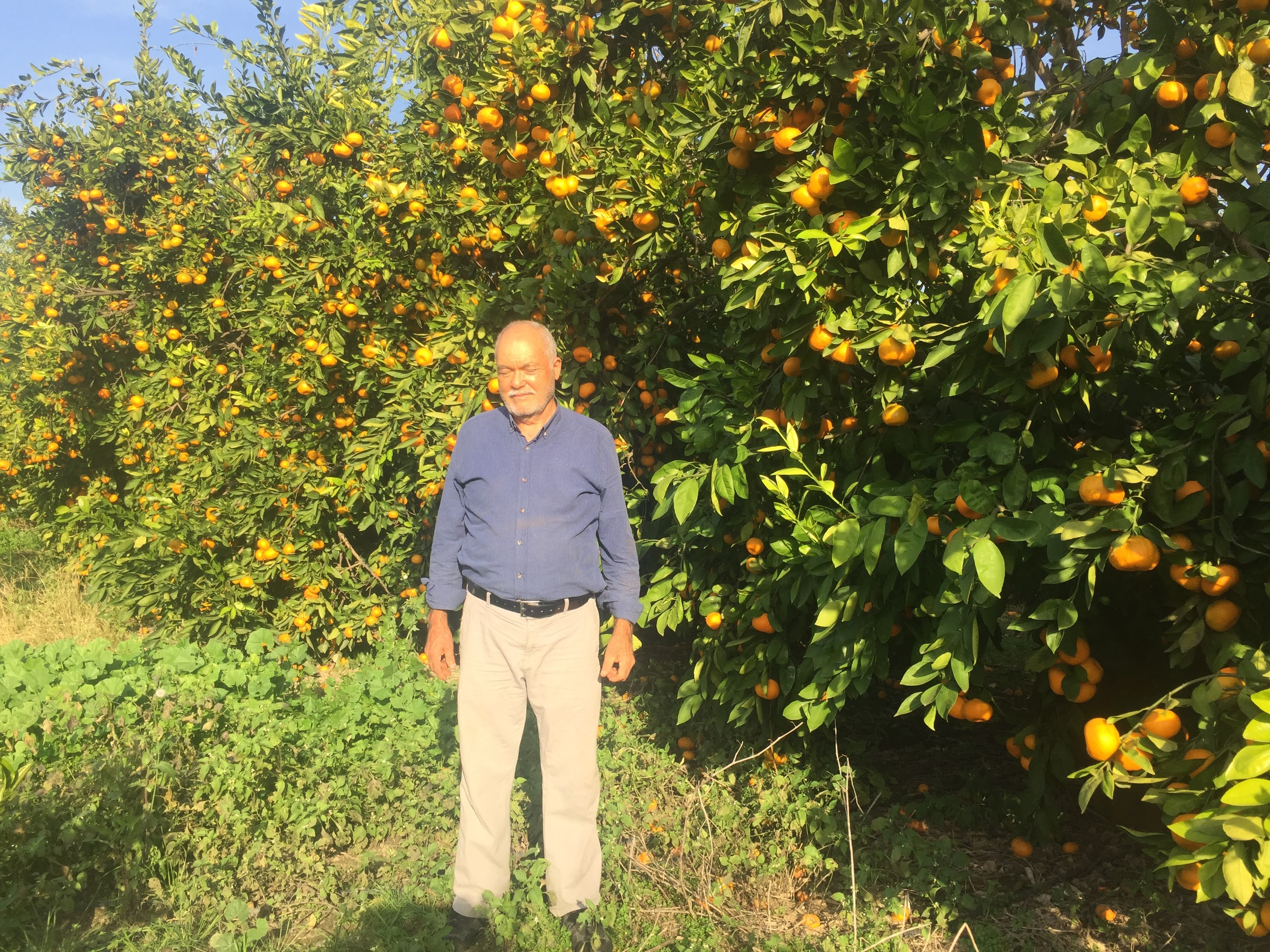
His research spanned archaeology, geography, Sarıkeçili Yörük culture, agriculture, and collecting, and he shared his knowledge with thousands of people in Turkey and abroad. He worked as an electrical dispatcher at İSDEMİR between 1978 and 2007. After retirement, he devoted his life to farming, research, travel, and teaching.
Guided by honesty, integrity, and the belief that hearts should never be broken, Hacı Ali Şenküçük was a devoted family man, a father of four, and an English speaker. He passed away on March 12, 2025.
With love, longing, and respect,
Hasan Cihan Şenküçük














On the web
Hasan Cihan Şenküçük © 2026 All rights reserved.